

The recent fashion weeks across New York, London, Milan, and Paris revealed that jewelry continues to play a central role in shaping how designers express mood, identity, and silhouette. This season’s collections leaned strongly into expressive metals, sculptural silhouettes, and gemstone-driven color stories. Jewelry wasn’t an afterthought—it was an essential part of the narrative on every runway.
Sculptural Gold Dominated New York and Milan
Designers across New York and Milan favored bold, architectural gold pieces—wide cuffs, fluid molten shapes, exaggerated hoops, and collar-like silhouettes. These pieces complemented the clean, structured tailoring seen throughout the runways. Gold served not only as an accessory but as wearable art, adding dimension to minimalist looks and grounding more dramatic ensembles.
Fashion editors noted that sculptural gold achieved a balance between strength and femininity, bringing a sense of modern confidence to otherwise understated designs. Vogue highlighted the prevalence of architectural metalwork across several collections this week (https://www.vogue.com/fashion-shows). W Magazine also pointed to the rise of bold gold shapes appearing in both runway presentations and street style (https://www.wmagazine.com/fashion).
Vibrant Gemstones Returned in Paris
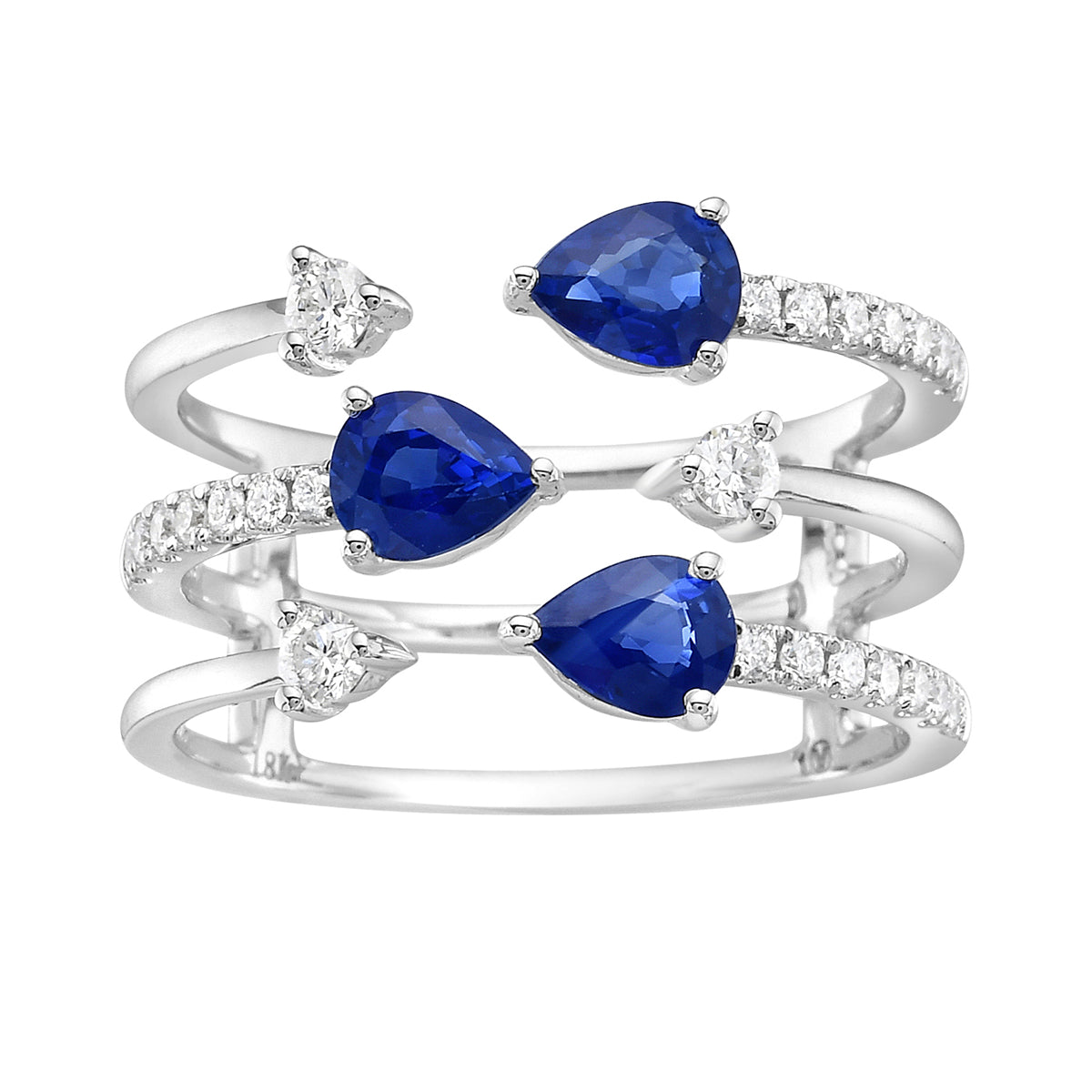
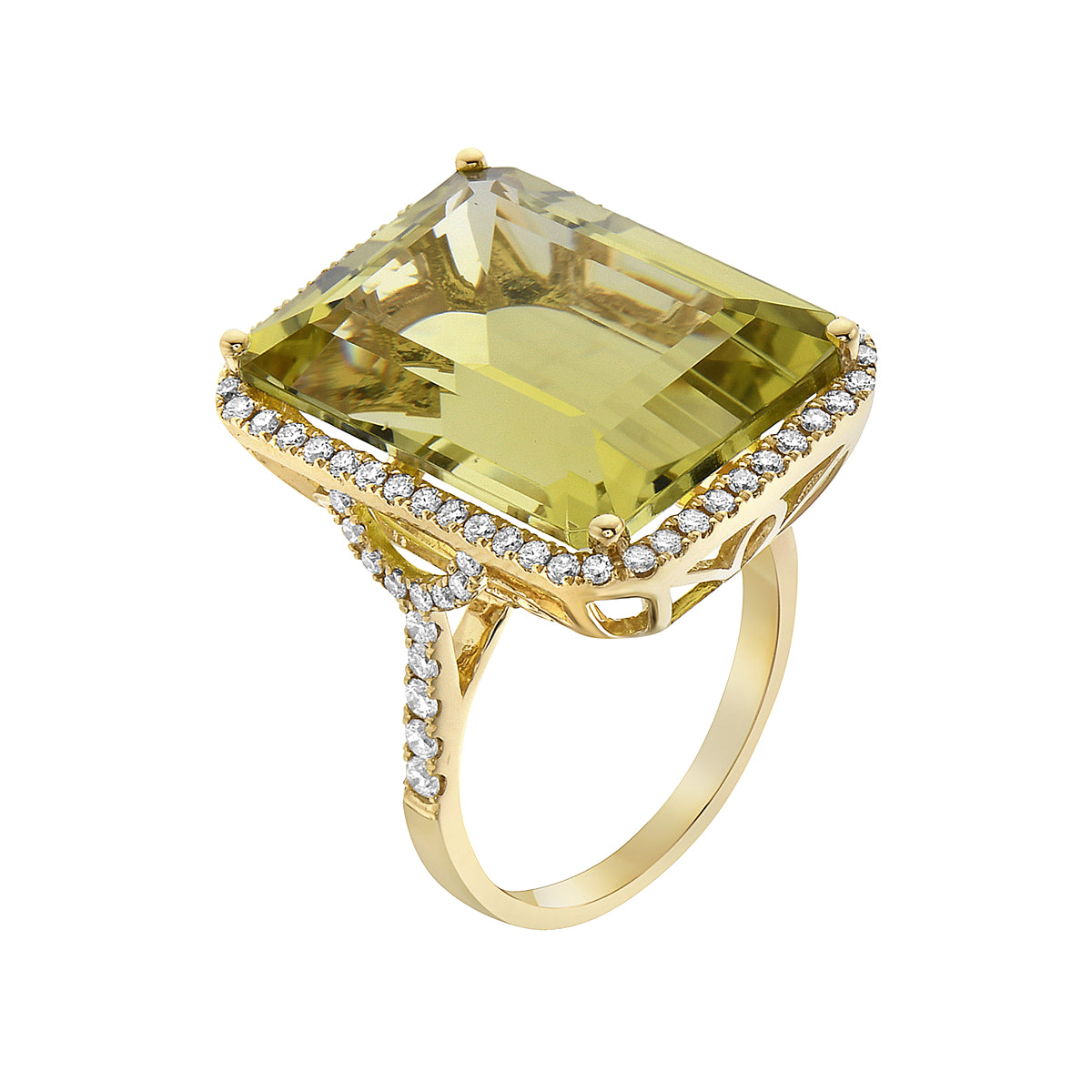
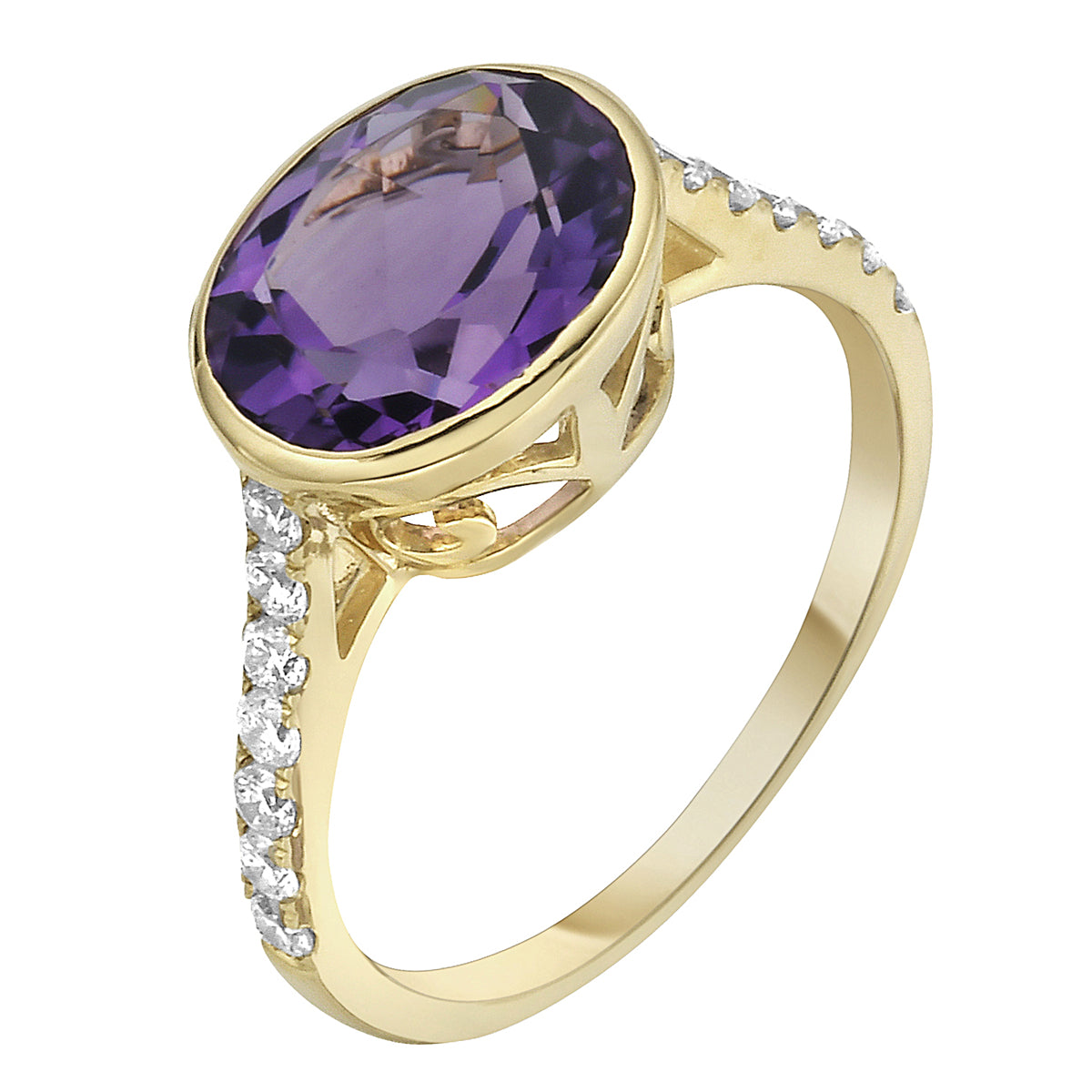
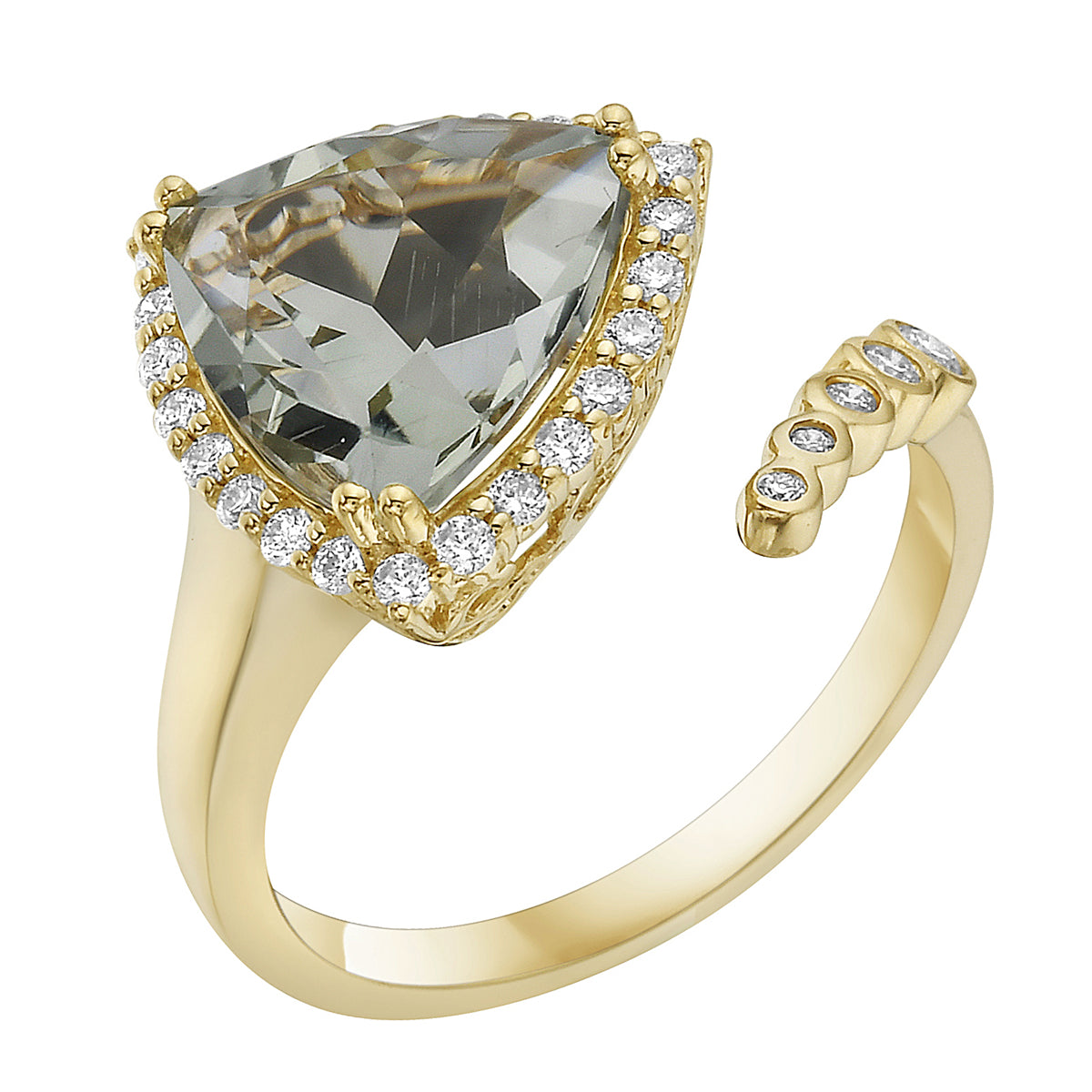
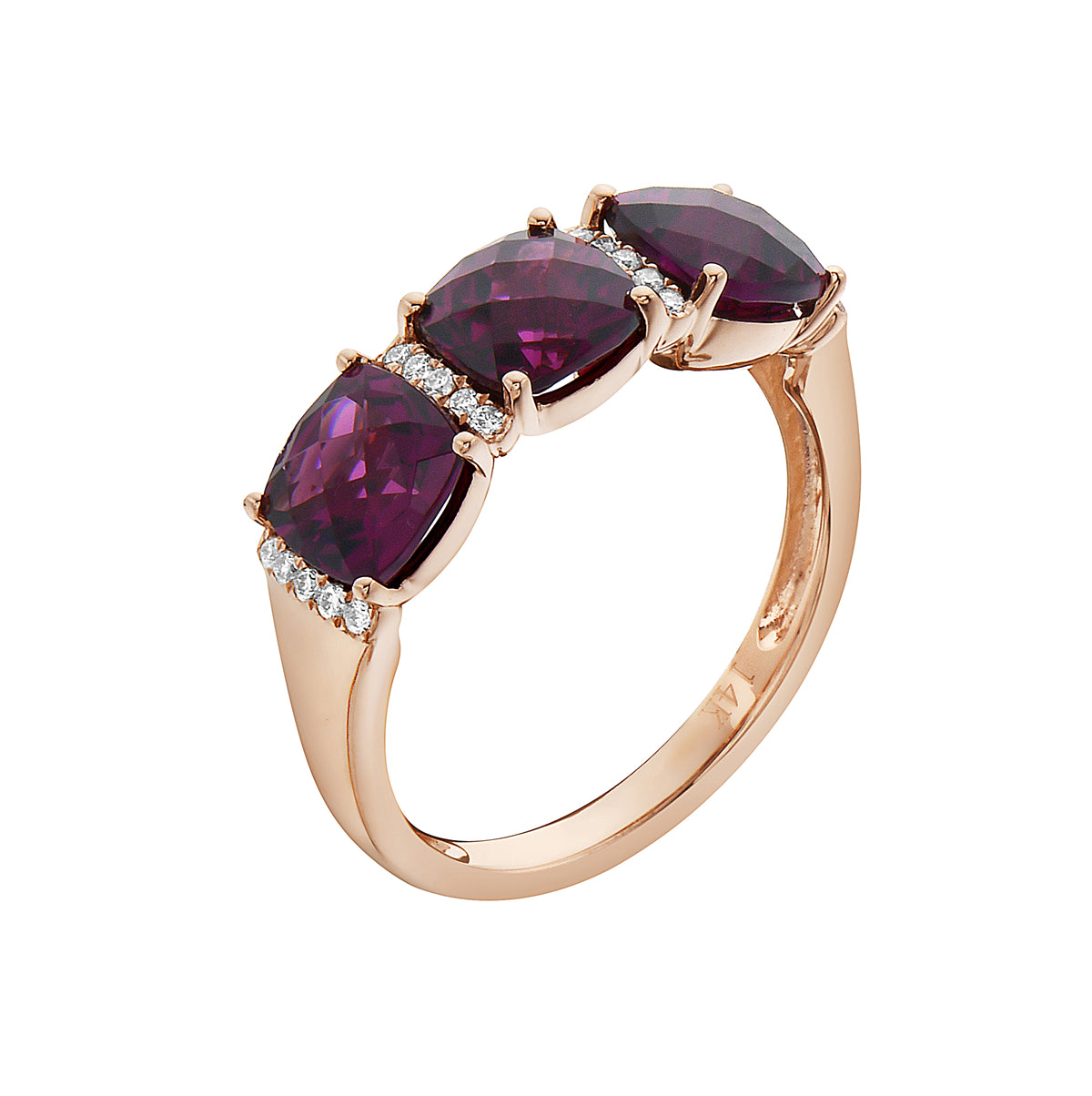
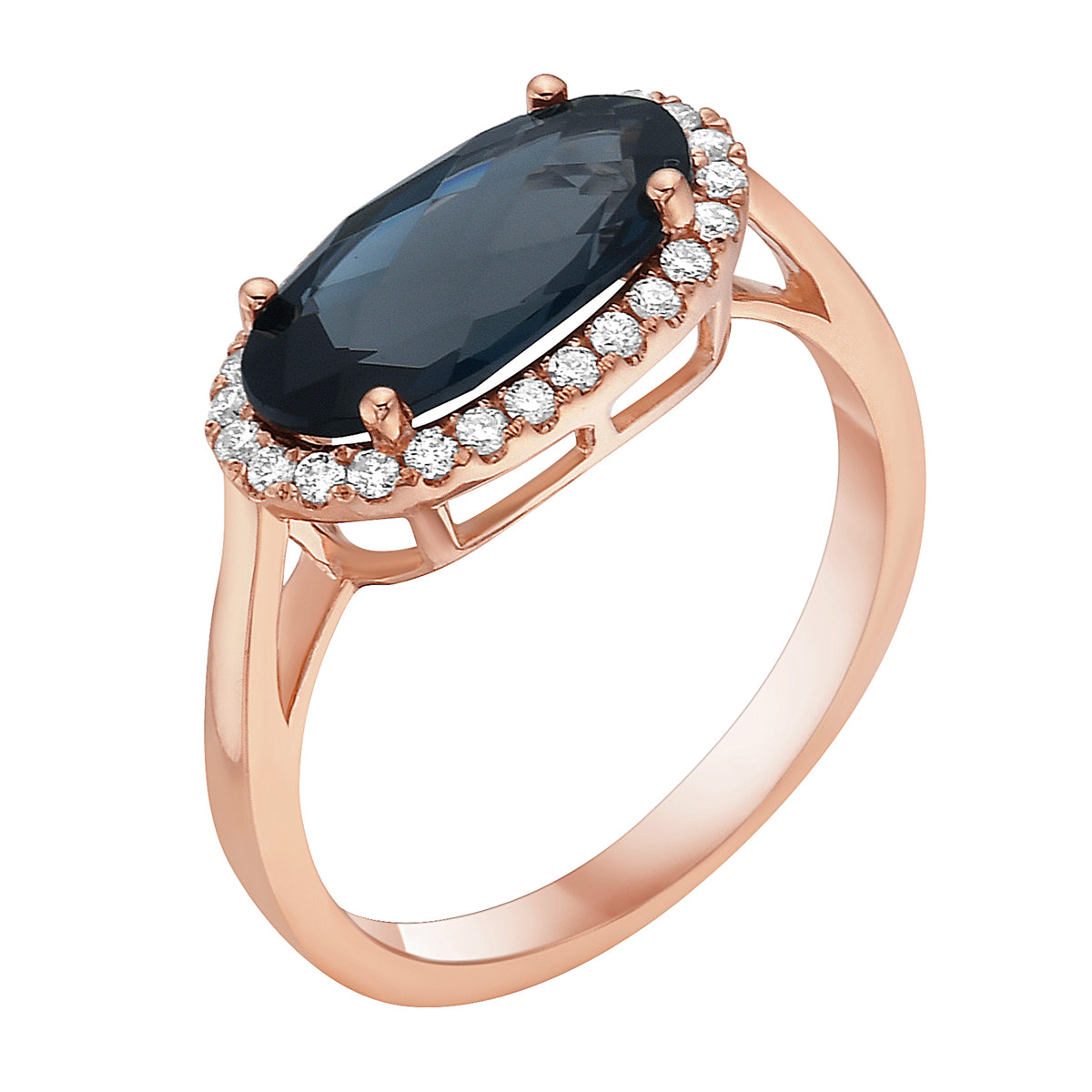
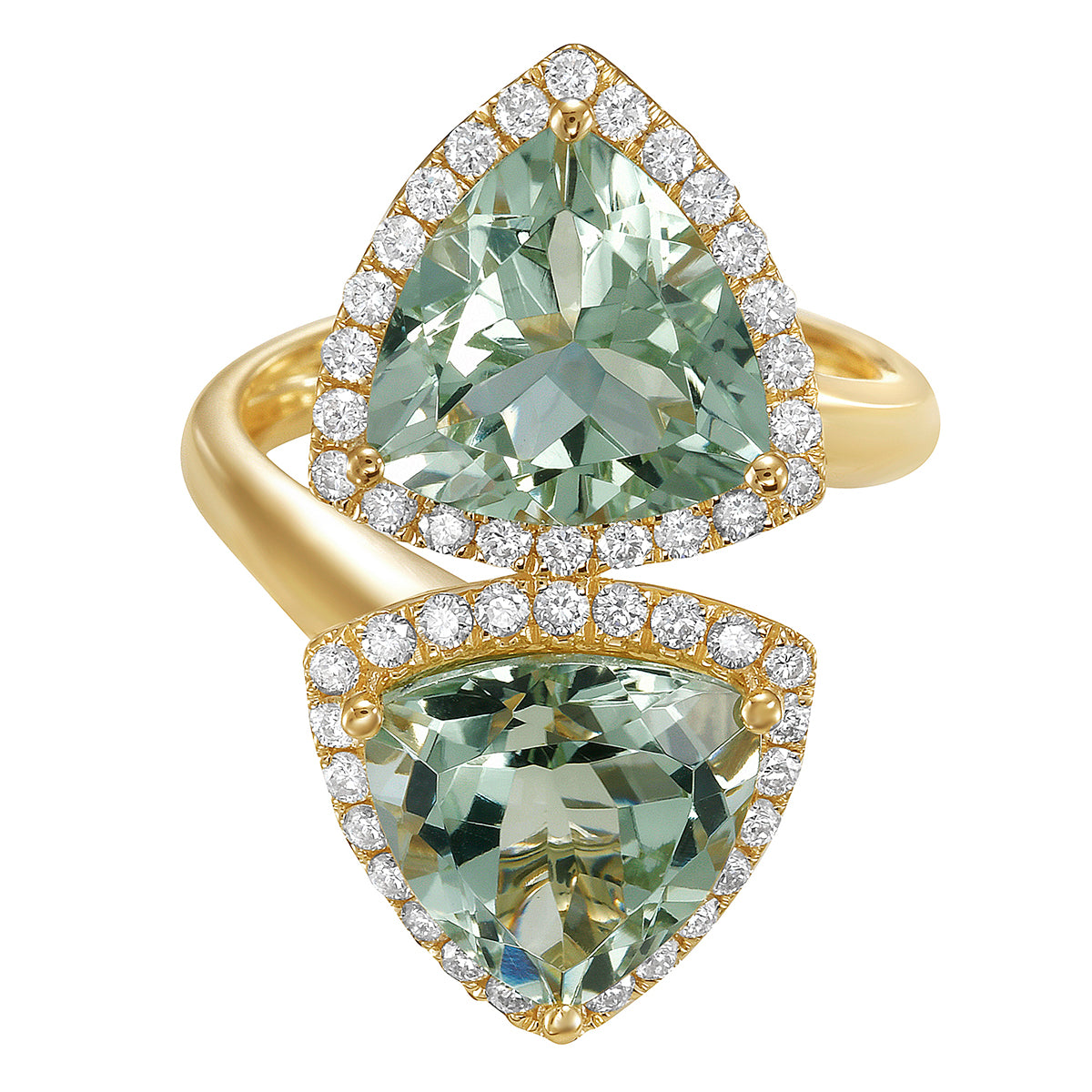
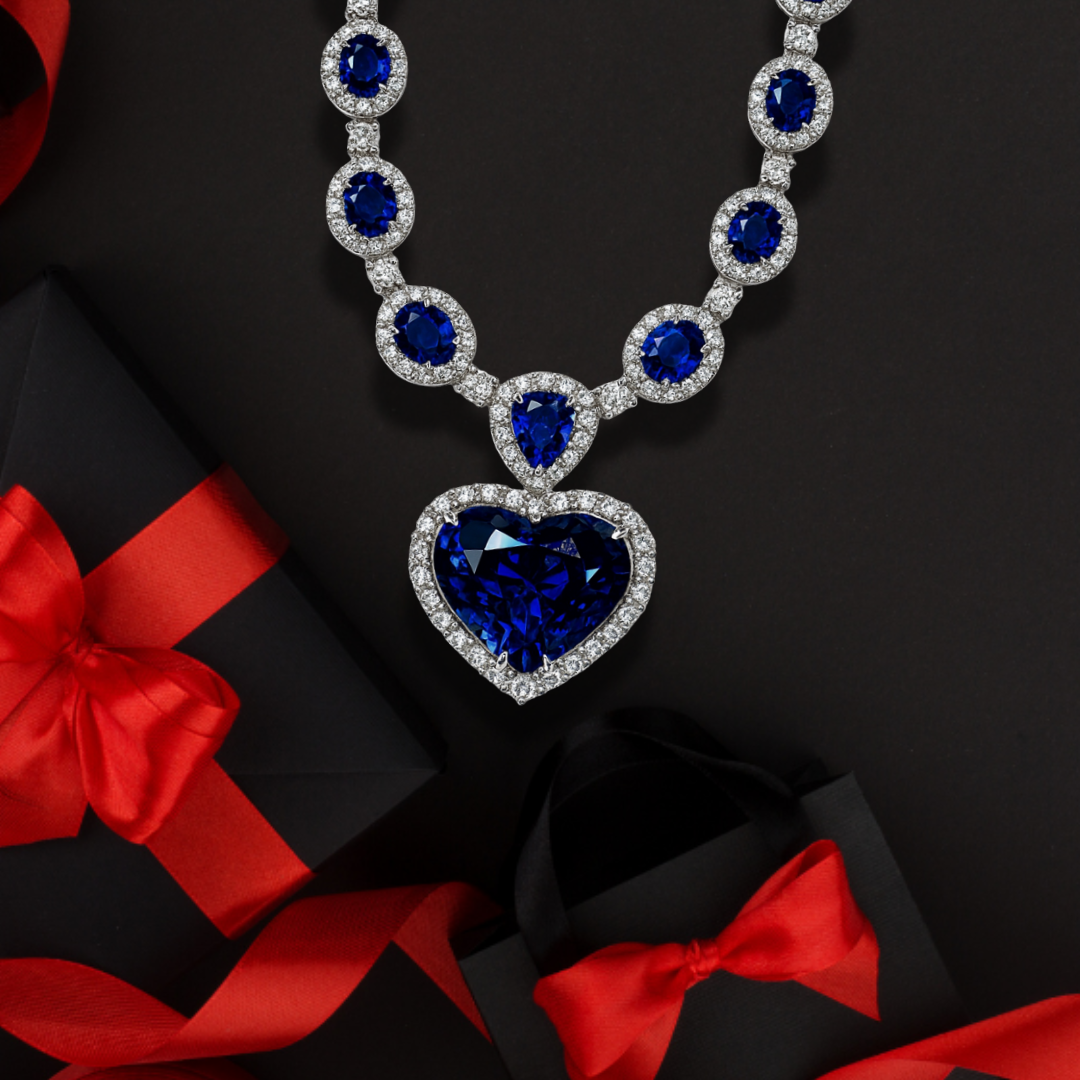
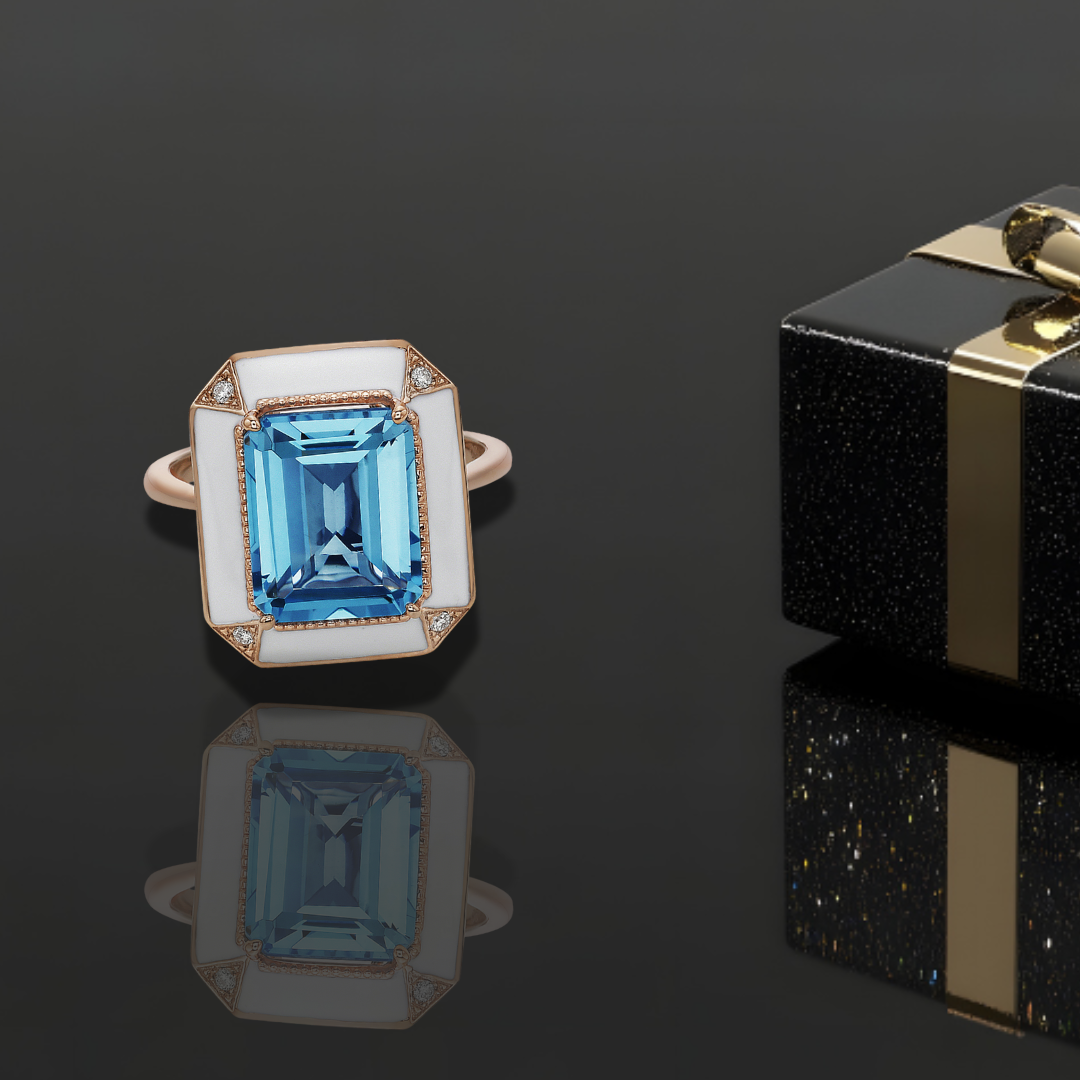
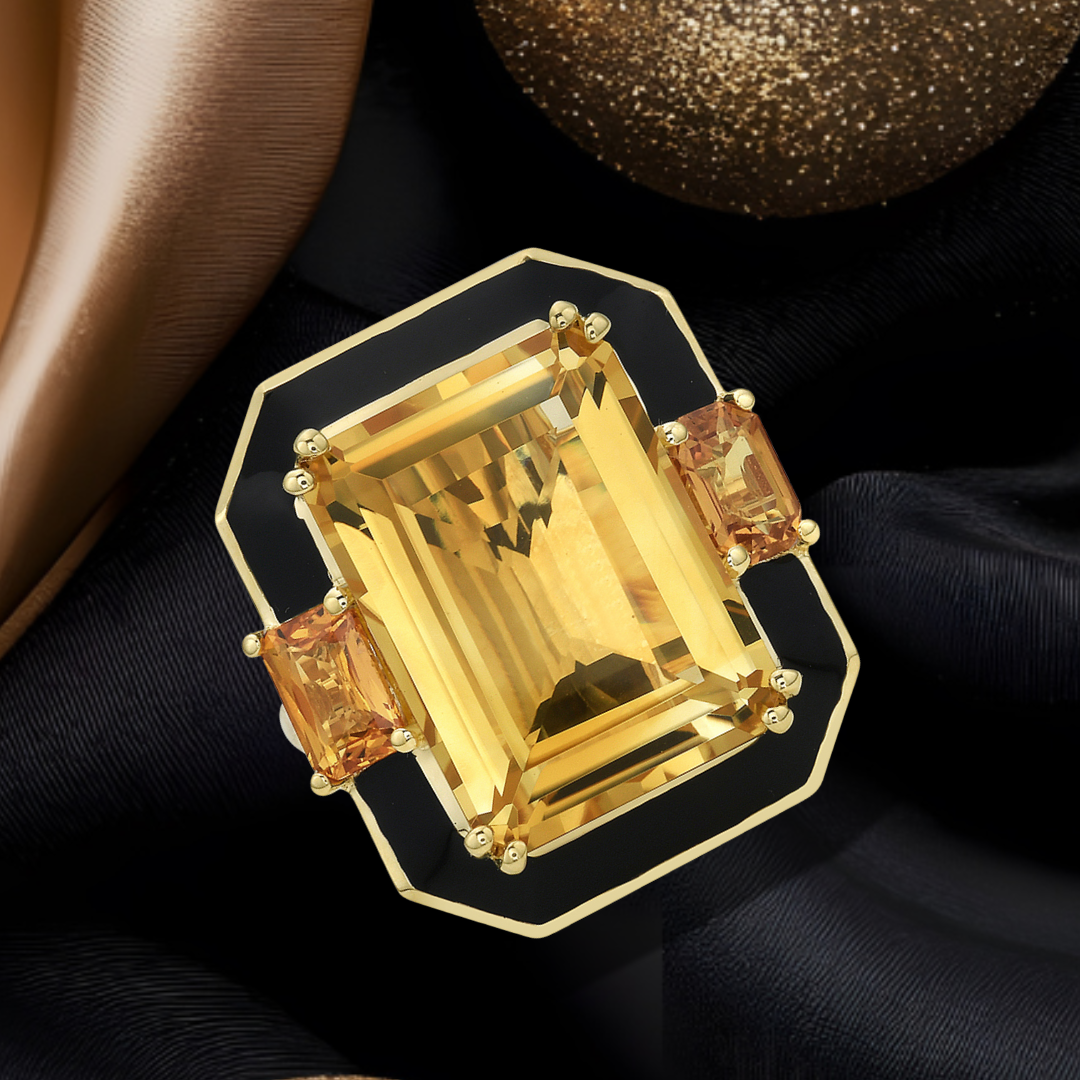
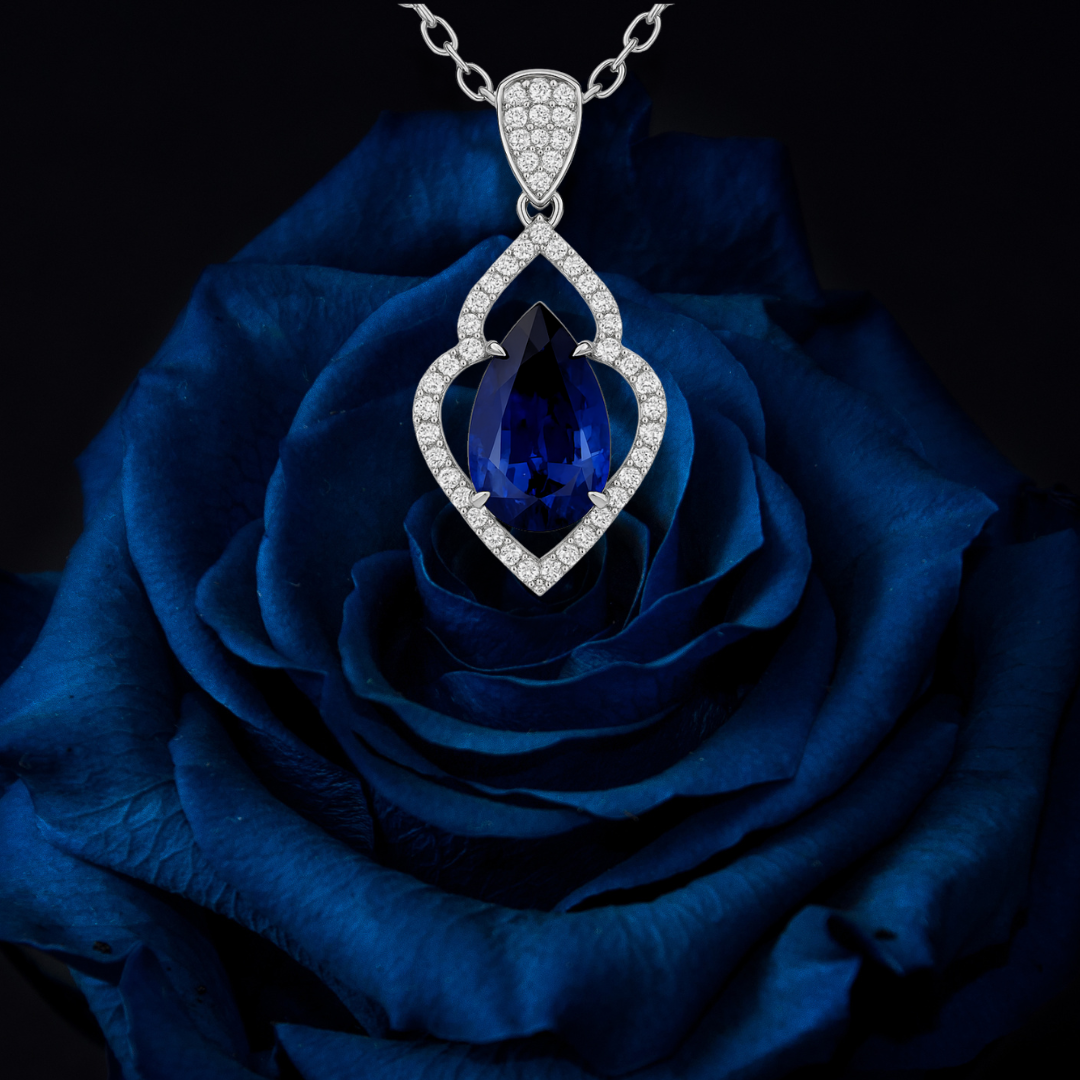
Paris brought a refreshing shift toward color. Designers incorporated saturated emeralds, rubies, citrine, and sapphire shades to inject vibrancy into monochrome and neutral palettes. Models wore gemstone earrings and rings that mirrored the tones of the clothing—a styling technique that subtly elevated the overall composition of each look.
Fashion reporters this week described gemstone jewelry as one of the most expressive elements of Paris Fashion Week. Harper’s Bazaar highlighted this movement toward color as a direct counterpoint to the minimalism dominating other cities (https://www.harpersbazaar.com/fashion/fashion-week/).
London Embraced Asymmetry and Mismatch
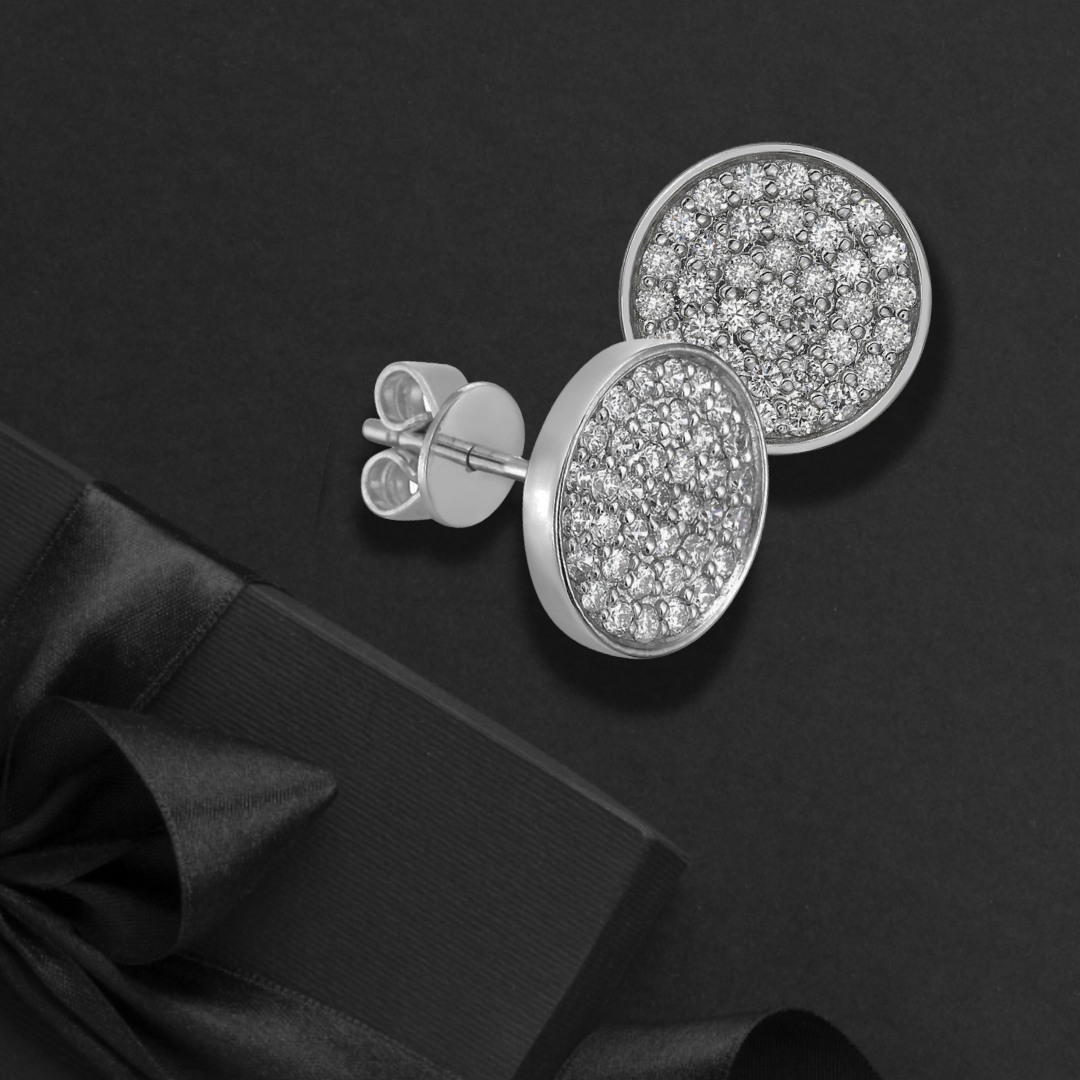
London’s runways leaned into creativity: mismatched earrings, asymmetrical silhouettes, and unconventional pairings were used to create a sense of individuality. Designers styled one ear with a bold drop and the other with a minimal stud, or combined metals and shapes that intentionally clashed. This trend reflects the current interest in personal, curated styling rather than strict symmetry.
Editorial reviews this week show that asymmetry continues to offer an accessible way for wearers to experiment with jewelry without committing to overly bold pieces, making it one of the most wearable trends to emerge from London.
Layering Evolved Across All Cities
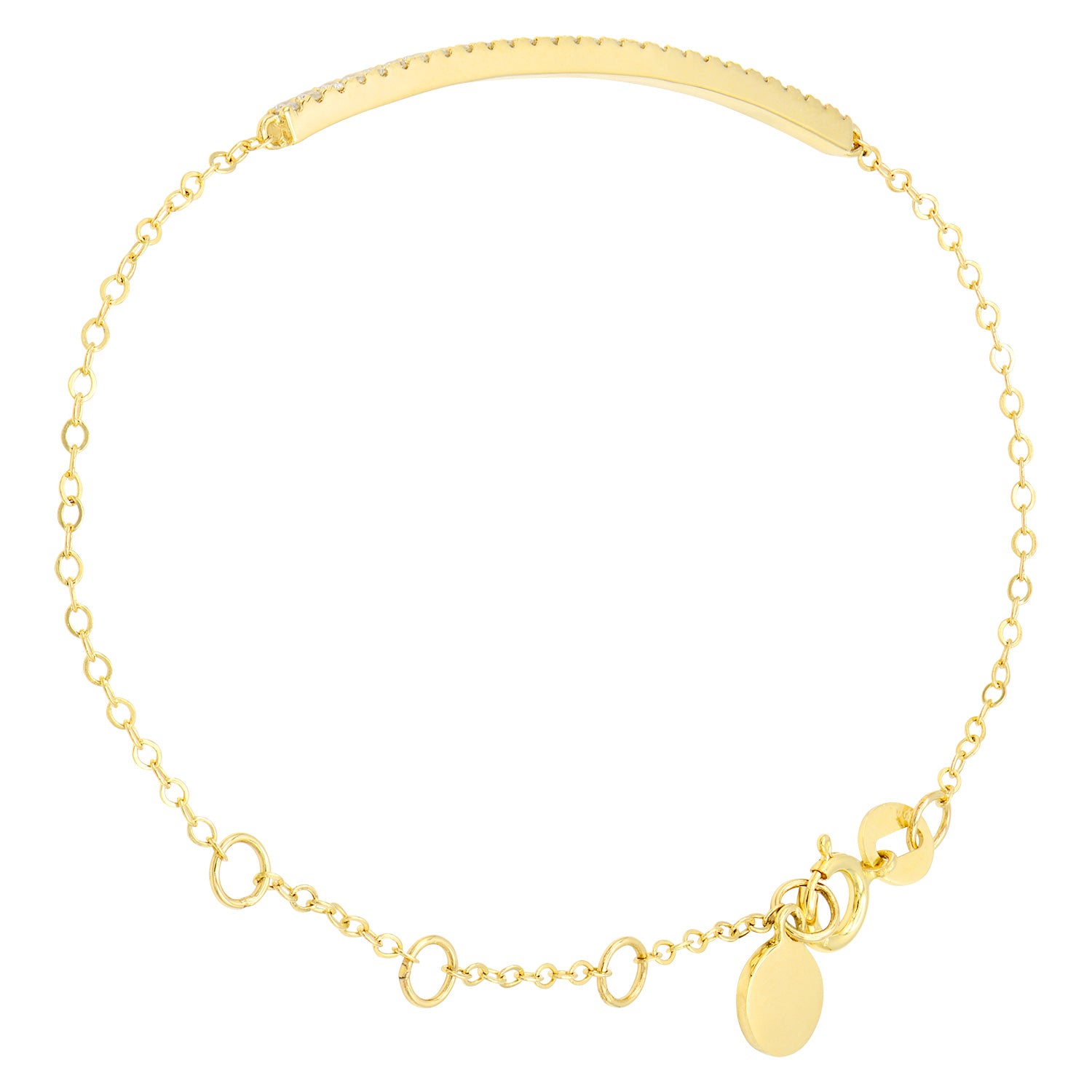
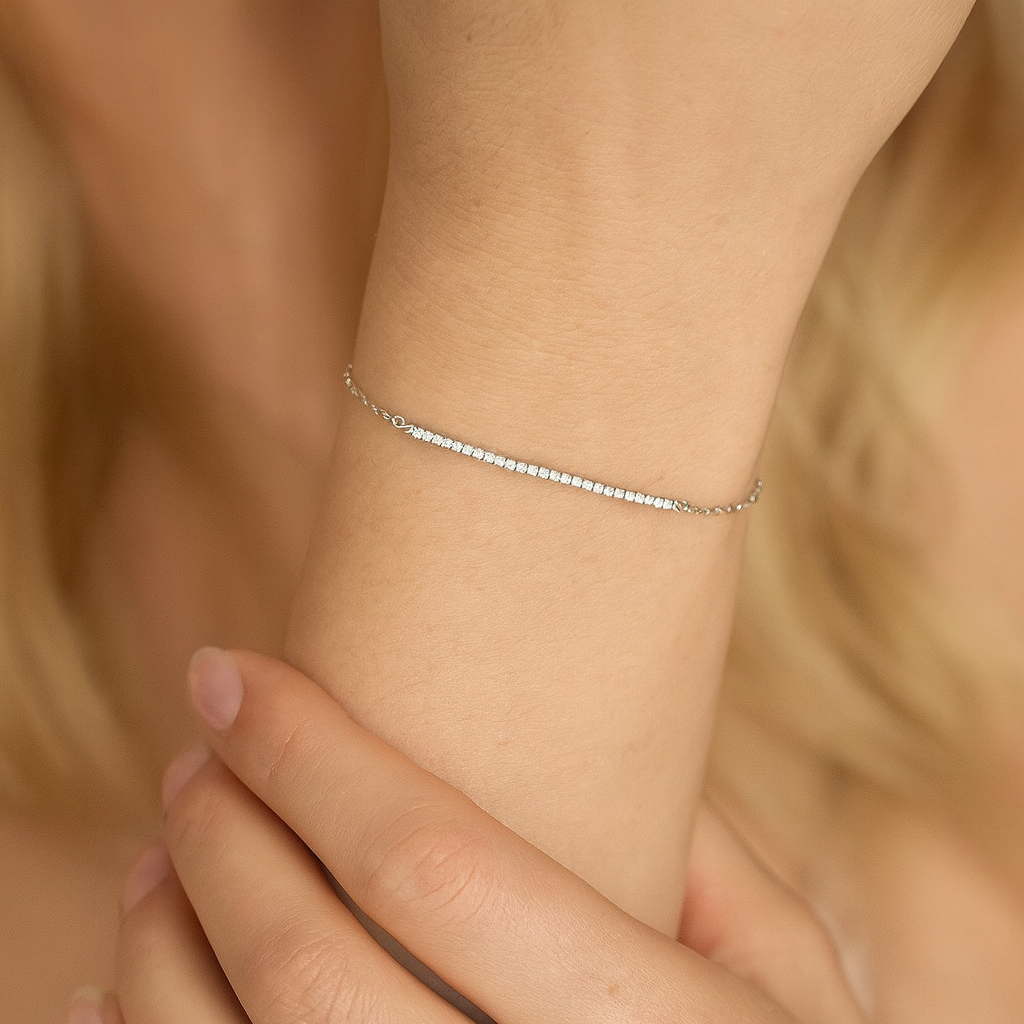
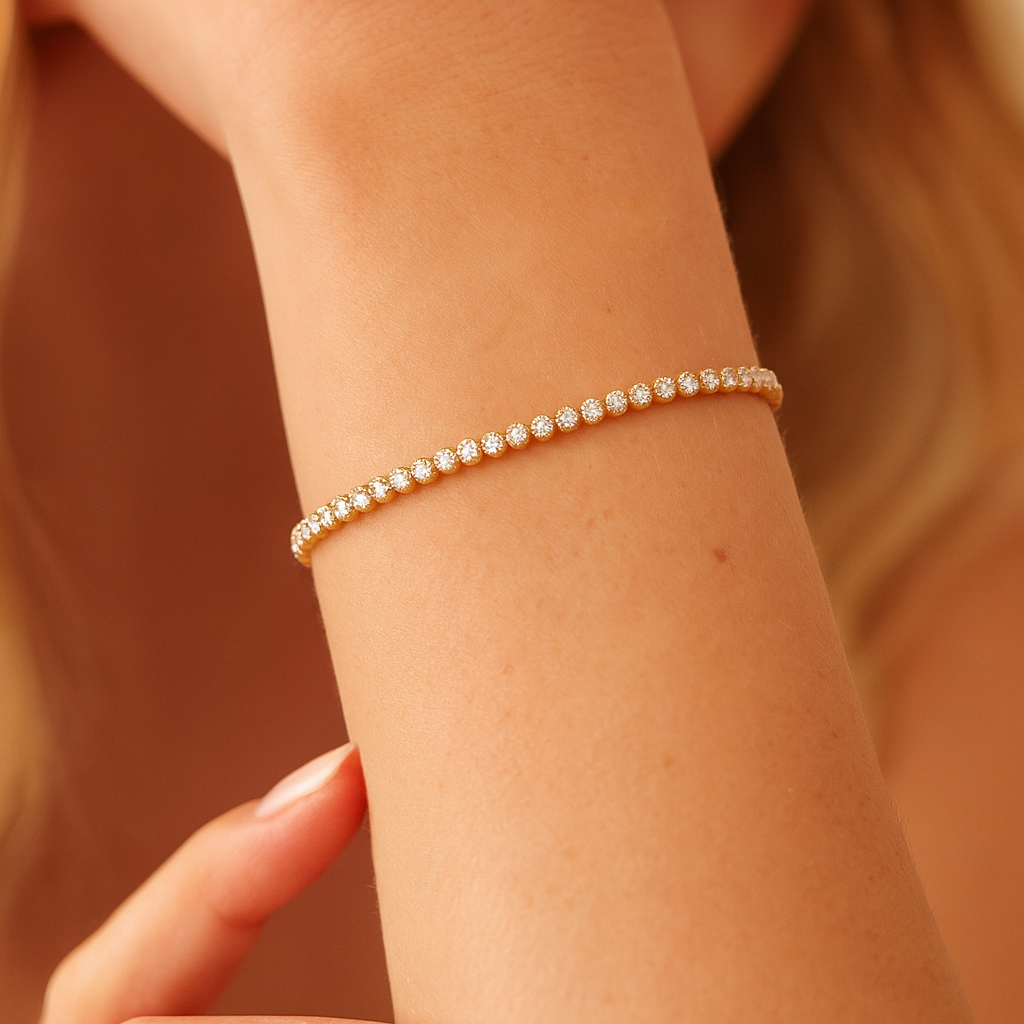
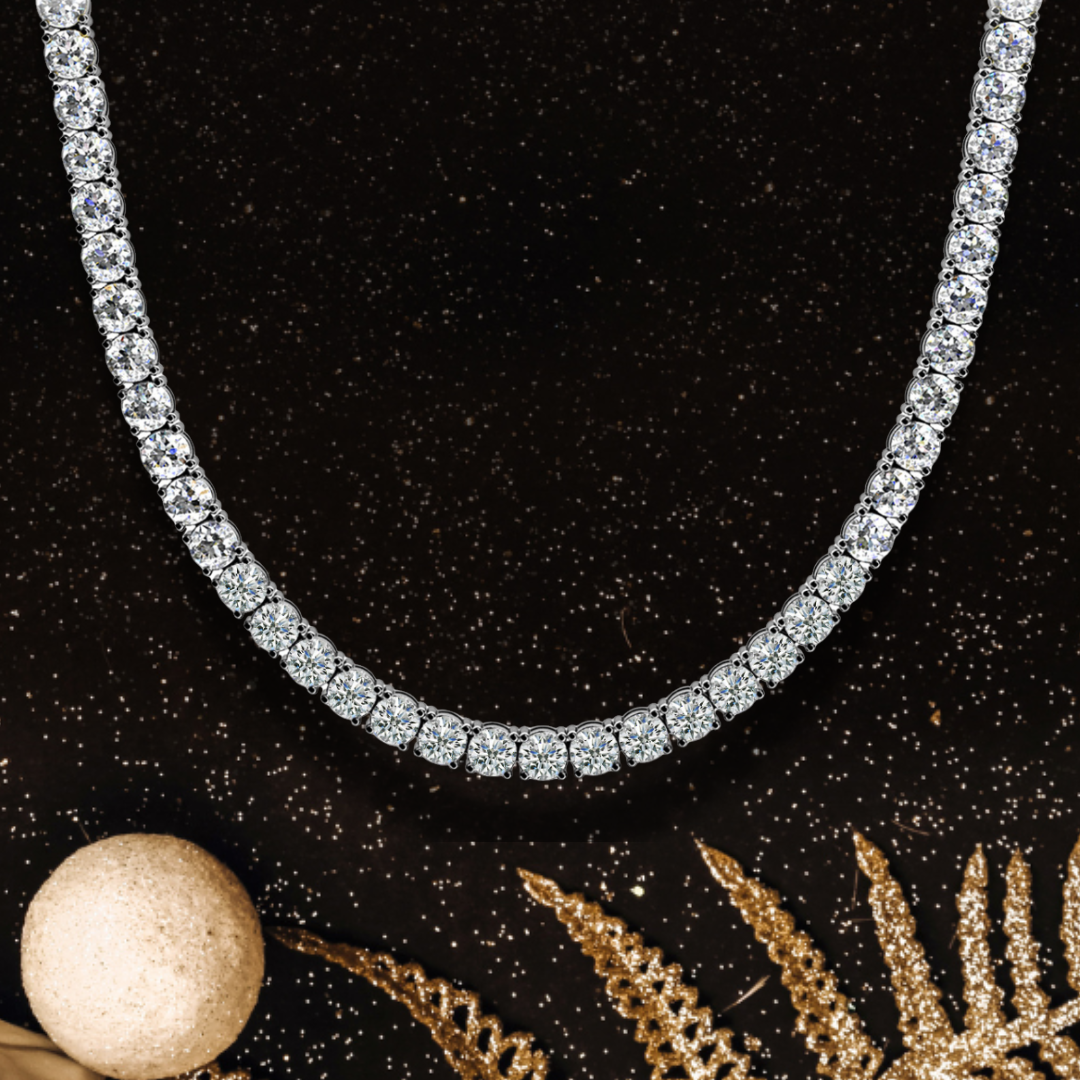
Chain layering, once focused solely on delicate gold, expanded into a mix of thick and thin silhouettes, varied textures, and unexpected materials. Bracelets were stacked in multiples, rings were paired in artistic clusters, and necklaces blended lengths to create structured, editorial compositions. The key difference this season was intentionality—layering felt curated rather than cluttered.
Industry discussions pointed out that designers used layering not just for decoration but to create rhythm and movement in a look. Elle’s accessory team highlighted how layered jewelry added depth to the season’s minimalist uniforms (https://www.elle.com/fashion/).
The Takeaway
Across all four fashion capitals, jewelry served as a narrative extension of the clothing. Sculptural metals added power, gemstones added emotion, asymmetry added personality, and layering added depth. The collective message was clear: jewelry is no longer just an accessory—it’s a defining element of modern style, shaping the identity and intention of every look.