


Introduction: Your Jewelry Deserves Better Than a Drawer
Fine jewelry is an investment — in beauty, in memory, and often in real monetary value. Yet most people store their pieces carelessly, clean them incorrectly (or not at all), and wonder why their once-brilliant diamonds look dull or their gold has lost its luster.
The good news: caring for fine jewelry at home is simple when you know what you're doing. This guide covers the right way to clean, store, and protect every type of metal and gemstone — so your pieces stay as stunning as the day you got them.
At Gili Jewels, we want your jewelry to last a lifetime. Here's everything you need to know.
The Golden Rules of Jewelry Care (For Every Piece)
Before we get into specifics, these rules apply to all fine jewelry:
- Remove jewelry before swimming — chlorine in pools and salt in the ocean can damage metals and loosen settings.
- Remove jewelry before showering — soap buildup dulls gemstones and can degrade certain metals over time.
- Put jewelry on last — after applying perfume, lotion, hairspray, and makeup. Chemicals in these products can damage stones and metals.
- Remove jewelry before exercising — sweat, impact, and friction can scratch and damage pieces.
- Remove jewelry before sleeping — chains can tangle and break; prongs can catch on fabric and bend.
- Clean your jewelry regularly — even light wear causes buildup that dulls brilliance over time.
How to Clean Gold Jewelry at Home
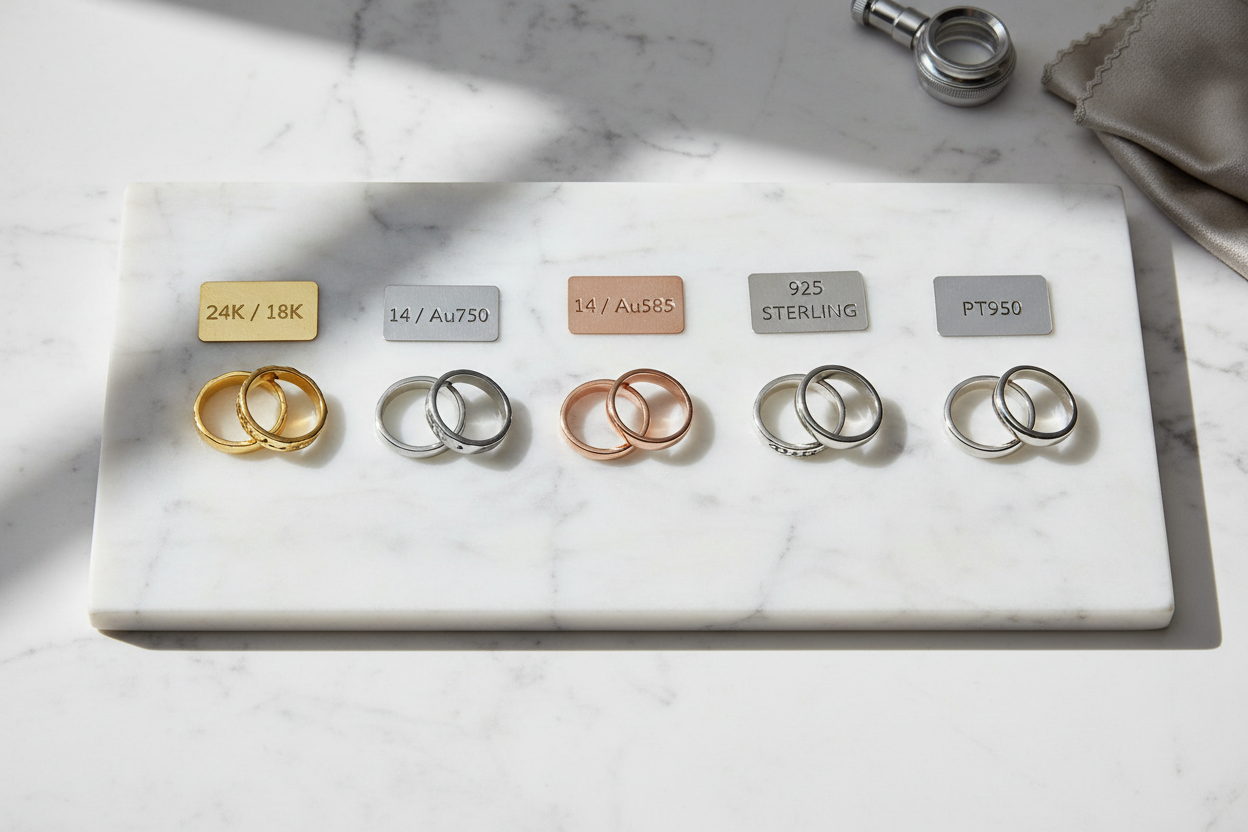
Gold is relatively easy to care for, but the method matters depending on the karat and color.
What You'll Need:
- Warm (not hot) water
- A few drops of mild dish soap (Dawn or similar)
- A soft-bristled toothbrush
- A lint-free cloth
Step-by-Step:
- Mix warm water with a few drops of dish soap in a small bowl.
- Soak your gold jewelry for 15–20 minutes.
- Gently scrub with a soft toothbrush, paying attention to settings and crevices where dirt accumulates.
- Rinse thoroughly under warm running water (use a strainer to avoid losing pieces down the drain).
- Pat dry with a lint-free cloth and allow to air dry completely before storing.
Special Notes for White Gold:
White gold is plated with rhodium, which gives it its bright, silvery finish. Over time, this plating wears off — revealing a slightly yellowish tint underneath. Cleaning won't restore the plating; you'll need professional re-plating every 1–2 years depending on wear. Avoid abrasive cleaners that accelerate rhodium wear.
What to Avoid with Gold:
- Chlorine bleach — can permanently damage and discolor gold alloys
- Abrasive cleaners or scrubbing pads
- Ultrasonic cleaners for pieces with fragile or treated gemstones
- Toothpaste — it's more abrasive than it looks and can scratch gold
How to Clean Silver Jewelry at Home
Silver tarnishes — it's a natural chemical reaction with sulfur in the air. But tarnish is easy to remove with the right approach.
Method 1: Dish Soap and Warm Water (For Light Tarnish)
Follow the same steps as gold cleaning above. This works well for lightly tarnished silver.
Method 2: Baking Soda and Aluminum Foil (For Heavy Tarnish)
- Line a bowl with aluminum foil, shiny side up.
- Add hot water and 1 tablespoon of baking soda. Stir to dissolve.
- Place your silver jewelry in the bowl, making sure it touches the foil.
- Let sit for 5–10 minutes. The tarnish will transfer to the foil through a chemical reaction.
- Rinse thoroughly and dry with a soft cloth.
Method 3: Silver Polishing Cloth
For quick maintenance between deep cleans, a silver polishing cloth is your best friend. Keep one in your jewelry box and use it regularly.
What to Avoid with Silver:
- Rubber — accelerates tarnishing
- Chlorine and bleach
- Harsh chemical cleaners
- Leaving silver wet — always dry thoroughly
Preventing Tarnish:
- Store silver in anti-tarnish pouches or with anti-tarnish strips
- Keep silver in airtight containers when not in use
- Wear your silver regularly — the natural oils in your skin actually help prevent tarnish
How to Clean Platinum Jewelry at Home
Platinum is the most durable and low-maintenance of the precious metals. It doesn't tarnish, but it does develop a natural patina over time — a soft, matte finish that many people actually love.
Cleaning Platinum:
Use the same warm water and mild dish soap method as gold. Platinum is very forgiving — it can handle gentle scrubbing without damage.
About Platinum Patina:
Over time, platinum develops a soft, satin-like finish called a patina. This is not damage — it's a natural characteristic of the metal. If you prefer the original high-polish look, a professional jeweler can re-polish it for you.
What to Avoid with Platinum:
- Abrasive cleaners
- Chlorine (can cause structural damage over time)
- Mixing platinum with other metals during cleaning — it can scratch softer metals
How to Clean Diamond Jewelry
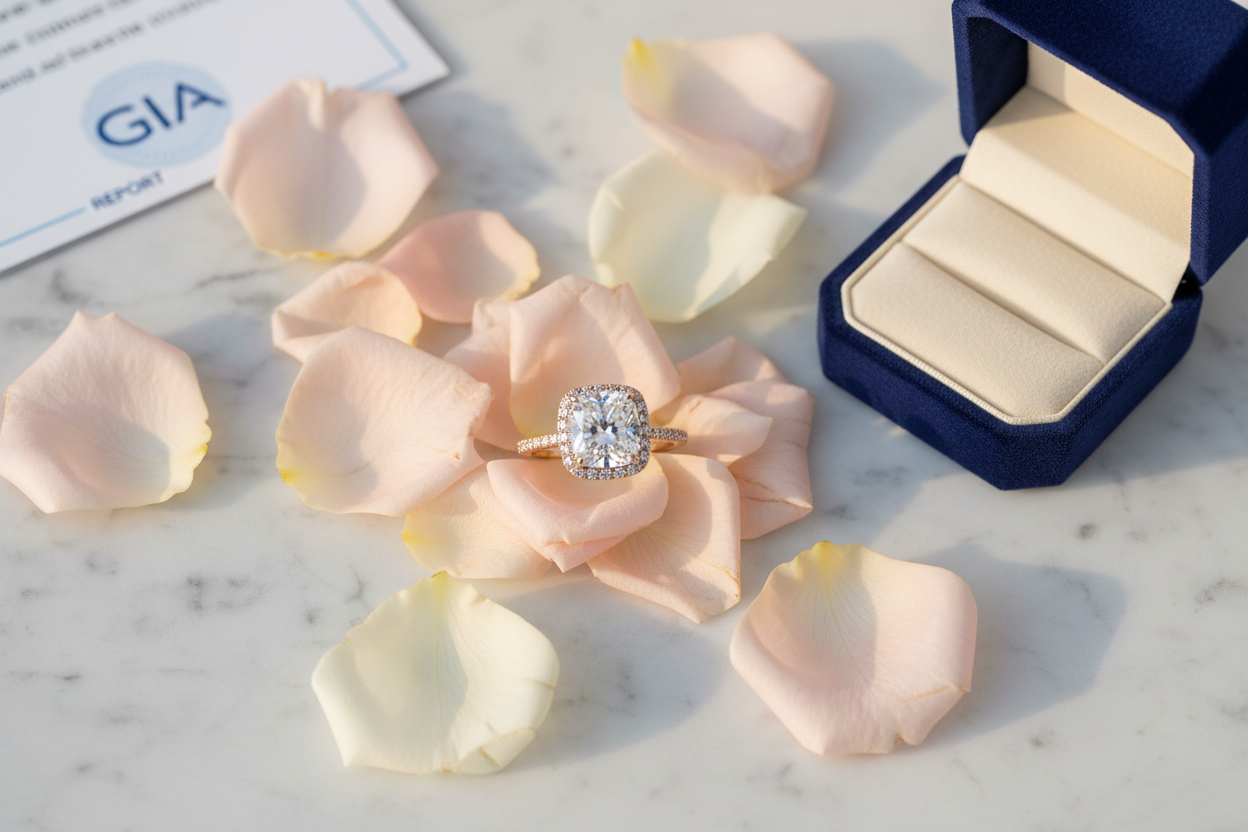
Diamonds are the hardest natural substance on earth, but they attract grease and oils like magnets — which is why they lose their sparkle so quickly.
The Best Home Method:
- Soak in warm water with a few drops of dish soap for 20–30 minutes.
- Gently scrub the diamond and its setting with a soft toothbrush, including the underside of the stone where oils accumulate most.
- Rinse under warm running water.
- Dry with a lint-free cloth.
Pro tip: Clean your diamond jewelry every 2–4 weeks for maximum sparkle. The difference is dramatic.
What to Avoid with Diamonds:
- Touching the stone with your fingers — oils transfer immediately
- Chlorine bleach — can damage the metal setting
- Abrasive materials that can scratch the metal (not the diamond itself)
How to Clean Colored Gemstones
This is where care gets more nuanced. Different gemstones have very different hardness levels, treatments, and sensitivities. Always research your specific stone before cleaning.
Generally Safe for Warm Water and Mild Soap:
- Sapphires and rubies (corundum family) — very durable
- Amethyst, citrine, and other quartz stones
- Topaz (with care — avoid temperature extremes)
- Garnets
Requires Extra Caution:
- Emeralds — almost always treated with oils or resins to fill fractures. Avoid ultrasonic cleaners, steam, and harsh chemicals. Use only a damp cloth.
- Opals — porous and sensitive to temperature changes and chemicals. Wipe with a damp cloth only. Never soak.
- Pearls — organic and very delicate. Wipe with a soft damp cloth after every wear. Never use ultrasonic cleaners, steam, or any chemicals. Store separately to avoid scratching.
- Turquoise — porous and easily damaged by chemicals. Wipe with a dry cloth only.
- Coral and amber — organic materials. Avoid chemicals, heat, and prolonged water exposure.
Never Use Ultrasonic Cleaners On:
Emeralds, opals, pearls, turquoise, coral, amber, tanzanite, or any stone with visible fractures or treatments.
How to Store Your Jewelry Properly
How you store jewelry is just as important as how you clean it. Poor storage causes tangles, scratches, and accelerated tarnishing.
Best Practices:
- Store pieces separately — harder stones (like diamonds) can scratch softer ones. Use individual pouches or compartments.
- Keep chains unclasped and laid flat — prevents tangling and kinking.
- Use a fabric-lined jewelry box — hard surfaces scratch metal and stones.
- Store silver in anti-tarnish pouches — dramatically slows tarnishing.
- Keep jewelry away from direct sunlight and heat — can fade certain gemstones (amethyst, topaz) and damage organic materials (pearls, coral).
- Avoid humid environments — bathrooms are the worst place to store jewelry. Use a bedroom dresser instead.
When to See a Professional Jeweler
Home care is great for maintenance, but some things require a professional:
- Prong inspection — have prongs checked annually. Worn prongs can cause stones to fall out.
- Deep cleaning — professional ultrasonic and steam cleaning (for appropriate pieces) restores brilliance beyond what home methods can achieve.
- Re-plating white gold — when the rhodium plating wears off.
- Re-stringing pearls — pearl necklaces should be re-strung every 1–2 years if worn regularly.
- Repairs — bent prongs, broken clasps, or loose stones should be addressed immediately before they worsen.
Frequently Asked Questions About Jewelry Care
How often should I clean my jewelry?
For pieces worn daily (like engagement rings and wedding bands), clean every 1–2 weeks. For pieces worn occasionally, clean before and after wearing.
Can I use toothpaste to clean jewelry?
No — toothpaste is abrasive and can scratch metals and gemstones. Stick to mild dish soap and warm water.
Is it safe to use an ultrasonic cleaner at home?
Ultrasonic cleaners are effective for diamonds, sapphires, rubies, and plain gold or platinum. However, they can damage emeralds, opals, pearls, and any treated or fractured stones. When in doubt, skip it.
Why does my gold jewelry look dull?
Dullness is usually caused by a buildup of oils, lotions, soap residue, and everyday grime. A thorough cleaning with warm water and dish soap will typically restore the shine.
How do I keep my silver from tarnishing so fast?
Store silver in airtight anti-tarnish pouches, keep it away from rubber and sulfur-containing materials, and wear it regularly. The oils in your skin actually help slow tarnishing.
Can I shower with my fine jewelry on?
It's best not to. Soap and shampoo leave a film that dulls gemstones and metals over time. Hard water can also leave mineral deposits on stones.
Final Thoughts: A Little Care Goes a Long Way
Fine jewelry is meant to be worn and enjoyed — not locked away. With the right care habits, your pieces will stay brilliant, secure, and beautiful for generations.
The basics are simple: clean regularly with mild soap and warm water, store pieces separately in a fabric-lined box, and visit a professional jeweler once a year for inspection and deep cleaning.
At Gili Jewels, we're passionate about helping you get the most from every piece in your collection. Have a question about caring for a specific piece? Contact our team — we're always happy to help.