


Introduction: Why the Metal Matters as Much as the Stone
When most people shop for jewelry, they focus on the gemstone — the sparkle of a diamond, the deep blue of a sapphire, the lush green of an emerald. But the metal that holds it all together is just as important. It affects durability, appearance, skin compatibility, maintenance, and price. Understanding jewelry metals helps you make smarter purchases and care for your pieces for a lifetime.
At Gili Jewels, we believe an informed buyer is a happy buyer. This guide breaks down every major jewelry metal — what it is, how it's graded, what it costs, and who it's best for.
Gold: The King of Jewelry Metals
Gold has been used in jewelry for thousands of years, and for good reason — it's beautiful, durable, resistant to tarnish, and holds its value over time. But not all gold jewelry is the same.
Understanding Gold Karats
Pure gold (24 karat) is too soft for everyday jewelry, so it's alloyed with other metals to increase strength. The karat system tells you how much of the metal is pure gold:
- 24K Gold — 99.9% pure gold. Rarely used in jewelry due to softness. Common in bullion and investment pieces.
- 22K Gold — 91.7% pure gold. Used in some high-end and traditional jewelry, especially in South Asian designs. Still relatively soft.
- 18K Gold — 75% pure gold. The preferred choice for fine jewelry worldwide. Excellent balance of purity, durability, and rich color.
- 14K Gold — 58.3% pure gold. The most popular choice in the United States. More durable than 18K, slightly less rich in color, and more affordable.
- 10K Gold — 41.7% pure gold. The minimum legal standard for gold in the US. Most durable but least pure — may cause reactions in sensitive skin.
Gold Colors Explained
The alloy metals mixed with gold determine its color:
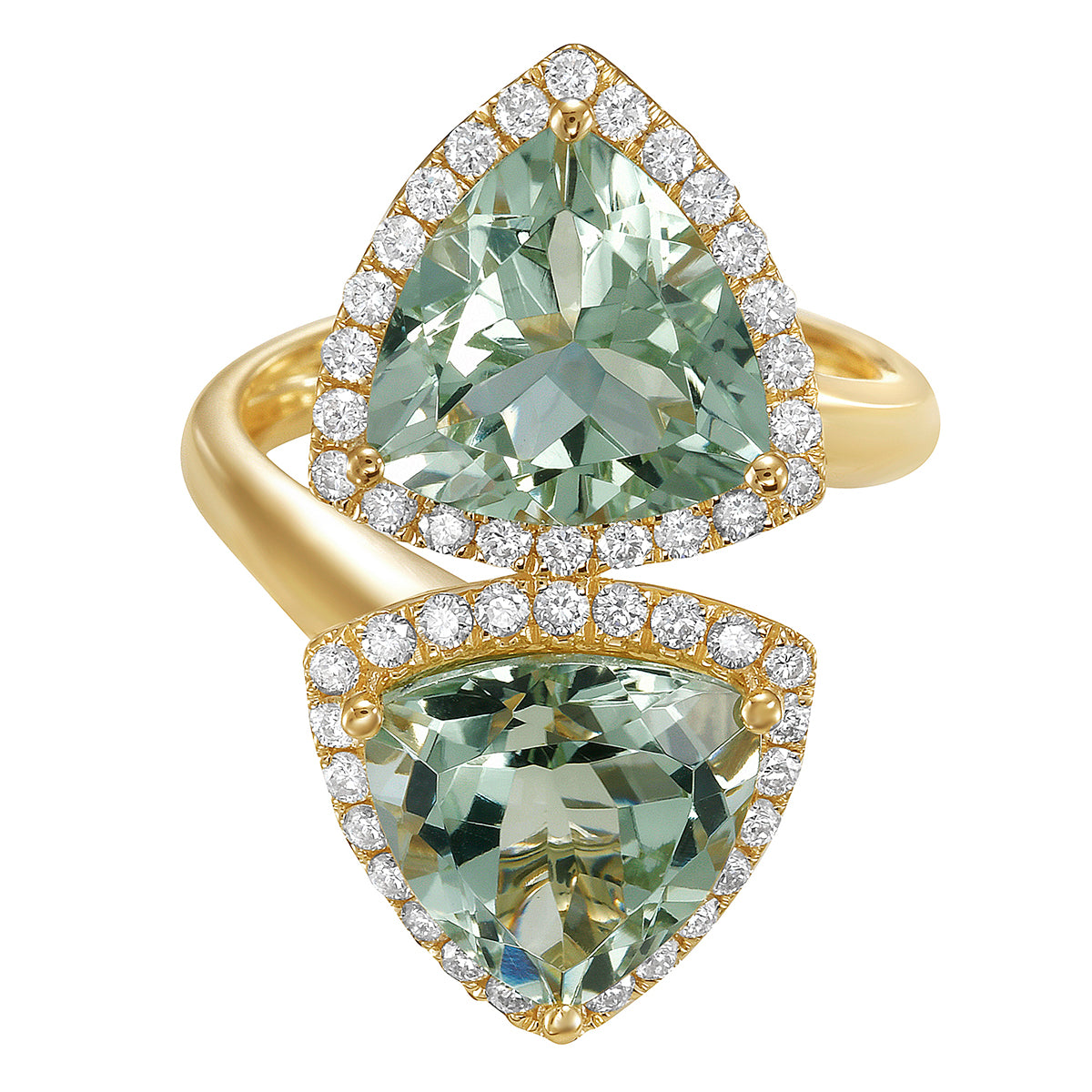
- Yellow Gold — The classic. Alloyed with silver and copper. Warm, timeless, and flattering on olive and darker skin tones.
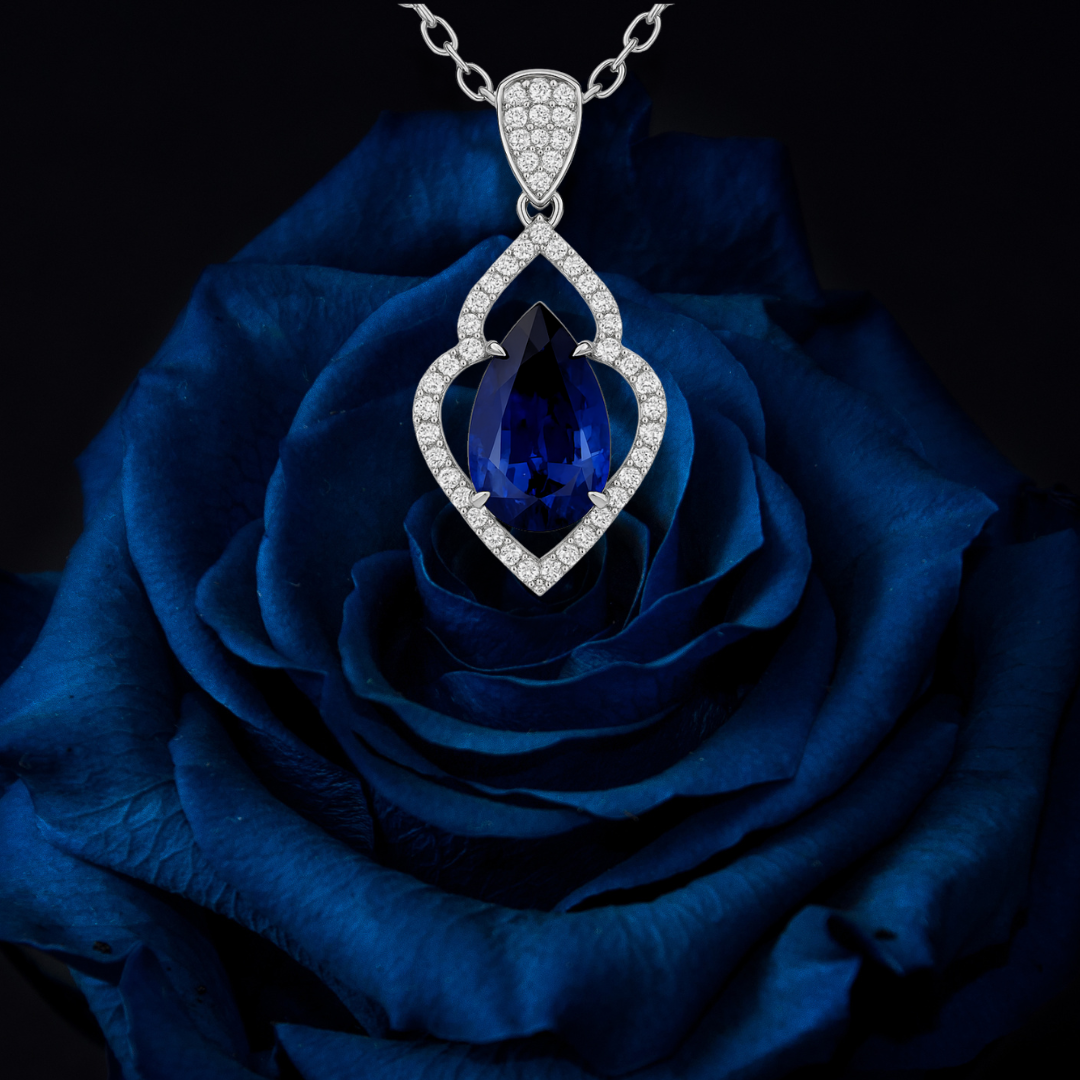
- White Gold — Alloyed with palladium or nickel, then plated with rhodium for a bright, silvery finish. Requires re-plating every few years as rhodium wears off.
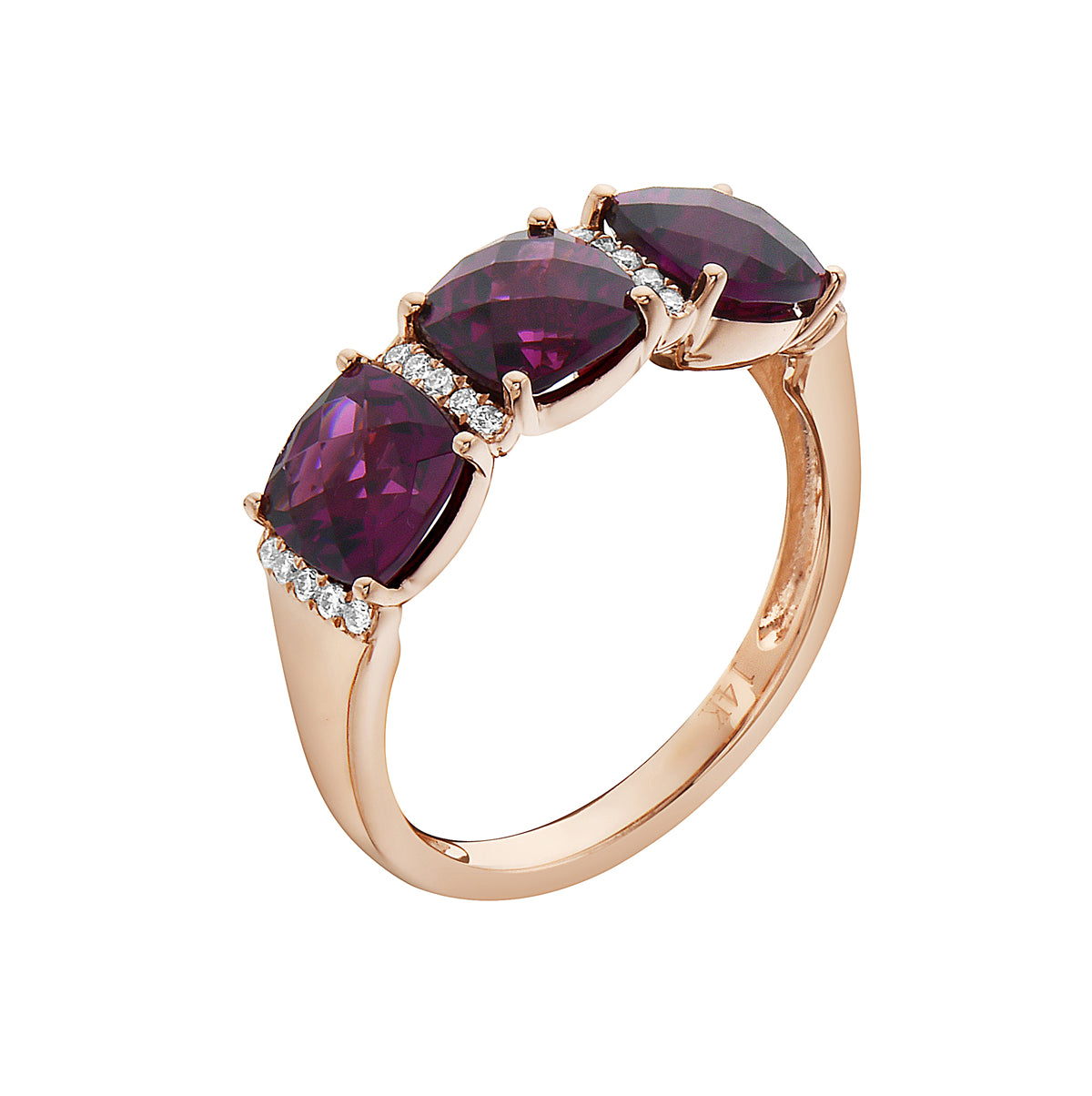
- Rose Gold — Alloyed with copper, giving it a warm pinkish hue. Romantic and on-trend. Very durable due to the copper content.
- Green Gold (Electrum) — A rare alloy of gold and silver. Subtle and unique — not commonly found in mainstream jewelry.
How to Read Gold Hallmarks
Look for these stamps on your gold jewelry:
- 750 = 18K gold
- 585 = 14K gold
- 417 = 10K gold
- 375 = 9K gold (common in the UK)
Platinum: The Premium Choice
Platinum is one of the rarest and most valuable metals on earth — and it shows in both its price and its performance.
Why Platinum Stands Apart
- Purity: Most platinum jewelry is 95% pure (stamped 950 Pt or PT950), far purer than gold alloys.
- Durability: Platinum is extremely dense and doesn't wear away like gold. When scratched, the metal displaces rather than disappears — meaning you don't lose material over time.
- Hypoallergenic: Platinum is naturally hypoallergenic, making it ideal for sensitive skin.
- Color stability: Unlike white gold, platinum doesn't need rhodium plating — its white color is natural and permanent.
- Weight: Platinum is noticeably heavier than gold, which many buyers associate with quality and luxury.
Platinum vs. White Gold: Which Should You Choose?
- Choose platinum if you want the most durable, low-maintenance, hypoallergenic option and are willing to pay a premium.
- Choose white gold if you love the look of platinum but want a more budget-friendly option — just plan for occasional re-plating.
Silver: Classic, Affordable, and Versatile
Silver is one of the most widely used metals in jewelry, prized for its bright, reflective finish and affordability.
Sterling Silver (925)
Pure silver (fine silver) is too soft for most jewelry, so it's alloyed with 7.5% copper to create sterling silver — the standard for quality silver jewelry. Look for the 925 hallmark.
Silver Pros and Cons
- ✅ Affordable and widely available
- ✅ Beautiful bright finish
- ✅ Works with virtually any gemstone
- ❌ Tarnishes over time (reacts with air and moisture)
- ❌ Softer than gold or platinum — more prone to scratches
- ❌ May cause reactions in people with nickel sensitivity (some silver alloys contain nickel)
Silver Variations to Know
- Fine Silver (.999) — 99.9% pure, very soft, rarely used in jewelry
- Argentium Silver — A modern alloy with germanium added; more tarnish-resistant than standard sterling
- Silver-Filled — A thick layer of sterling silver bonded to a base metal core — more durable than silver-plated
- Silver-Plated — A thin coating of silver over base metal. Affordable but wears off over time
Palladium: The Underrated Gem of Jewelry Metals
Palladium is a member of the platinum group metals and shares many of platinum's best qualities — at a lower price point.
- Naturally white and doesn't require plating
- Lightweight compared to platinum
- Hypoallergenic
- Tarnish-resistant
- Rarer than gold, but less expensive than platinum
Palladium is an excellent choice for those who want platinum-like properties without the platinum price tag.
Titanium: The Modern, Lightweight Option
Titanium has become increasingly popular, especially for men's jewelry and wedding bands.
- Extremely lightweight — about half the weight of gold
- Incredibly strong — one of the hardest metals used in jewelry
- Hypoallergenic — ideal for sensitive skin
- Scratch-resistant — holds up well to daily wear
- Limited resizing options — due to its hardness, titanium rings are difficult to resize
- Not as prestigious — doesn't hold the same investment value as gold or platinum
Tungsten: Maximum Durability
Tungsten carbide is one of the hardest materials on earth, making it extremely scratch-resistant — but also brittle under extreme force.
- Virtually scratch-proof under normal conditions
- Very heavy — gives a substantial, premium feel
- Cannot be resized
- Can shatter under extreme impact (though this is rare)
- Popular for men's wedding bands
Base Metals and Alloys: What to Avoid (or Understand)
Not all jewelry metals are precious. Base metals are less expensive but come with trade-offs:
- Brass — A copper-zinc alloy. Tarnishes and can turn skin green. Often used in fashion jewelry.
- Copper — Affordable but reacts with skin and air. Can cause green discoloration.
- Nickel — A common allergen. Often used in cheap alloys. Avoid if you have sensitive skin.
- Stainless Steel — Durable, affordable, and hypoallergenic. A step above fashion jewelry — popular in men's accessories.
How to Choose the Right Metal for You
Here's a quick decision guide based on your priorities:
- Best for sensitive skin: Platinum, titanium, palladium, or high-karat gold (18K+)
- Best for everyday durability: 14K gold, platinum, titanium, or tungsten
- Best for budget: Sterling silver, 10K gold, or stainless steel
- Best for investment value: 18K or 22K gold, platinum
- Best for a classic look: 18K yellow gold or platinum
- Best for a modern look: White gold, titanium, or rose gold
Caring for Your Jewelry Metal
Each metal has different care requirements:
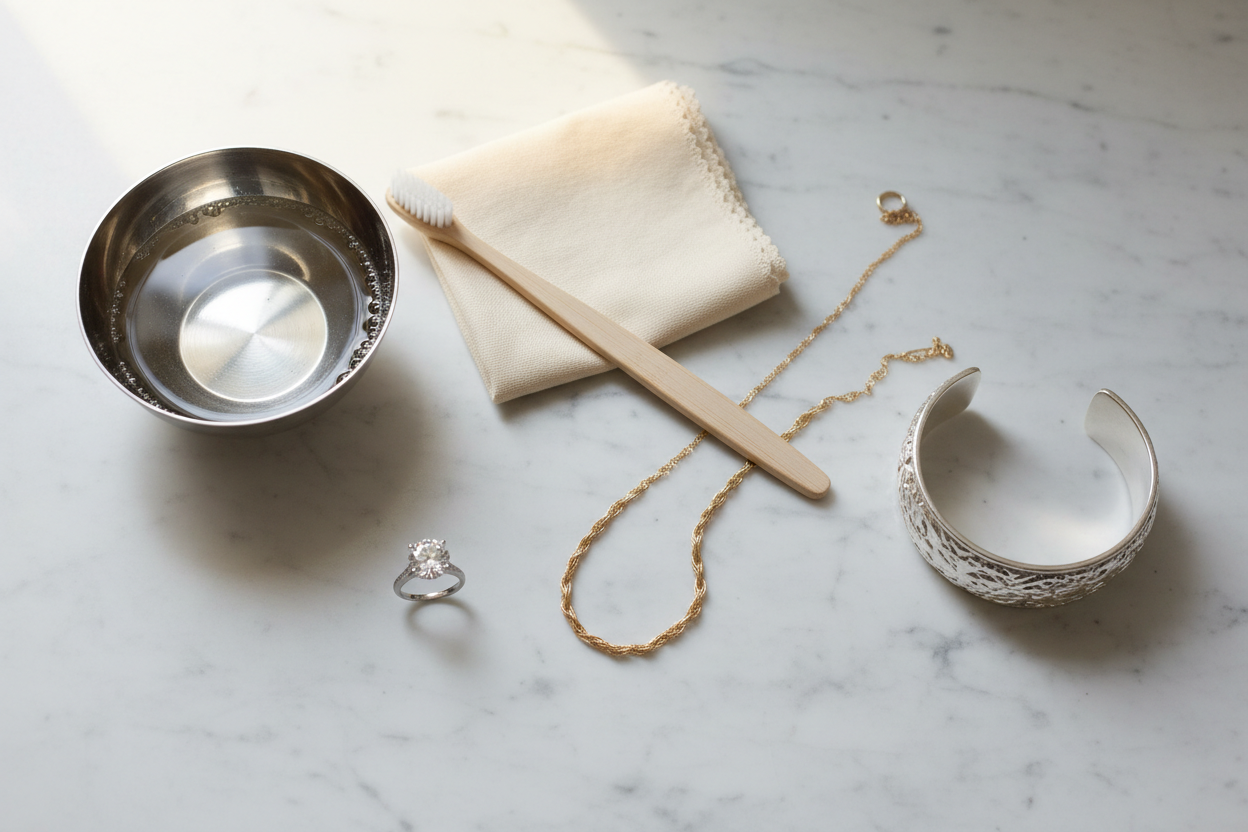
- Gold: Clean with warm water, mild dish soap, and a soft brush. Avoid harsh chemicals.
- Platinum: Polish with a soft cloth. Professional polishing every few years keeps it looking new.
- Silver: Store in anti-tarnish pouches. Polish with a silver cloth regularly. Avoid exposure to chlorine and sulfur.
- White Gold: Re-plate with rhodium every 1–2 years to maintain its bright finish.
- Titanium/Tungsten: Wipe clean with a damp cloth. Very low maintenance.
Frequently Asked Questions About Jewelry Metals
What does 925 mean on jewelry?
925 is the hallmark for sterling silver, indicating the piece is 92.5% pure silver alloyed with 7.5% other metals (usually copper).
Is 14K or 18K gold better?
It depends on your priorities. 18K gold is purer (75% gold) and has a richer color, but 14K gold (58.3% gold) is more durable and affordable. Both are excellent choices for fine jewelry.
Does gold-plated jewelry last?
Gold-plated jewelry has a thin layer of gold over a base metal. It can look beautiful initially but will wear off over time — typically within months to a few years depending on wear. It's not considered fine jewelry.
Is platinum worth the extra cost?
For many buyers, yes. Platinum is more durable, naturally hypoallergenic, and requires less maintenance than white gold. It's a lifetime investment that holds up exceptionally well.
Can I wear silver and gold together?
Absolutely — mixed metals are a major jewelry trend. Mixing yellow gold, white gold, and silver creates a layered, modern look that's very popular right now.
What metal is best for people with metal allergies?
Platinum, titanium, and palladium are the most hypoallergenic options. High-karat gold (18K and above) is also generally safe. Avoid nickel-containing alloys if you have sensitive skin.
Final Thoughts
Understanding jewelry metals transforms you from a passive shopper into a confident buyer. Whether you're investing in a platinum engagement ring, building a sterling silver collection, or choosing a durable titanium band, knowing what you're buying — and why — makes all the difference.
At Gili Jewels, every piece we sell is crafted from quality metals with full transparency about materials and purity. Have questions about a specific piece? Reach out to our team — we're always happy to help you find the perfect metal for your lifestyle and budget.