


Introduction: Don't Get Fooled
Whether you've inherited a piece, found something at an estate sale, or simply want to verify a recent purchase, knowing how to tell if jewelry is real is an invaluable skill. Fake or misrepresented jewelry is more common than most people realize — and the difference between real gold and gold-plated brass, or a genuine diamond and cubic zirconia, can be worth thousands of dollars.
The good news: there are reliable tests you can do at home, and clear signs that tell you when to take a piece to a professional. This guide covers everything you need to know about authenticating gold, silver, diamonds, and gemstones.
At Gili Jewels, transparency is everything. Here's how to verify what you have — or what you're buying.
How to Tell If Gold Is Real
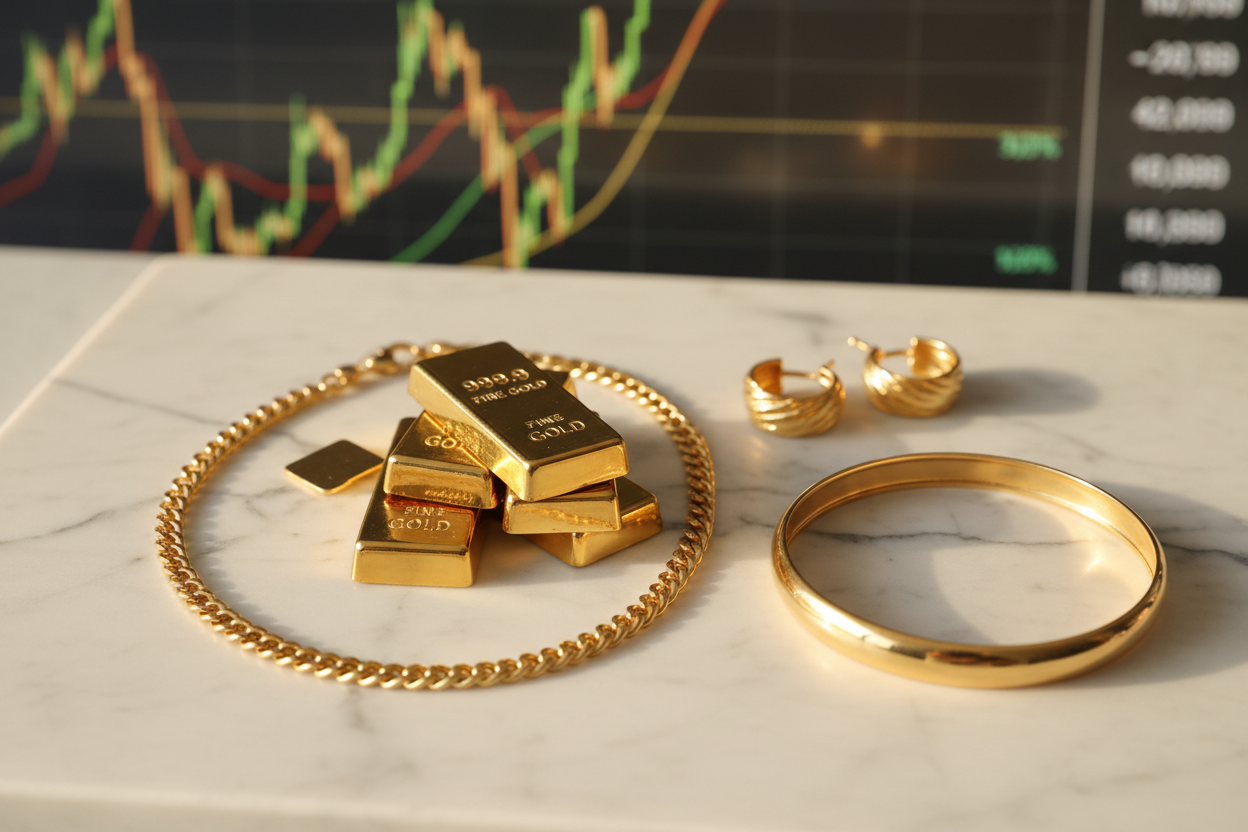
Gold is one of the most commonly faked metals in jewelry. Here are the most reliable ways to test it.
1. Look for Hallmarks
The first and easiest step: look for a hallmark stamp. Genuine gold jewelry is almost always stamped with its purity:
- 24K / 999 — 99.9% pure gold
- 18K / 750 — 75% gold
- 14K / 585 — 58.5% gold
- 10K / 417 — 41.7% gold
- 9K / 375 — 37.5% gold (common in UK/Europe)
Use a magnifying glass to find the stamp — it's often inside a ring band, on a clasp, or on the back of a pendant. No stamp doesn't automatically mean fake (older or handmade pieces may lack them), but a stamp is a strong positive indicator.
Watch out for: Stamps like "GP" (gold plated), "GF" (gold filled), "GE" (gold electroplated), or "HGE" (heavy gold electroplate) — these are not solid gold.
2. The Magnet Test
Gold is not magnetic. Hold a strong magnet (a neodymium magnet works best) near the piece:
- If it's strongly attracted to the magnet — it's not gold (or contains significant non-gold metals)
- If there's no attraction — it could be gold (but this isn't conclusive, as other non-magnetic metals like brass can also pass this test)
Use this as a quick screening tool, not a definitive test.
3. The Skin Test
Real gold doesn't react with skin. If a piece leaves a green or black mark on your skin, it likely contains copper or other base metals. However, some people's skin chemistry can cause reactions even with lower-karat gold alloys, so this test isn't perfectly reliable.
4. The Ceramic Scratch Test
Drag the piece across an unglazed ceramic tile (like the back of a bathroom tile):
- Real gold leaves a gold-colored streak
- Fake gold (pyrite or gold-plated base metal) leaves a black streak
Note: this test can scratch the piece, so use it carefully on an inconspicuous area.
5. The Acid Test (Most Reliable at Home)
Gold testing kits are available online and at jewelry supply stores. They include nitric acid solutions calibrated for different gold karats. A small scratch is made on the piece, acid is applied, and the color reaction indicates the gold content. This is the most reliable home test short of professional assay.
6. Professional Testing
For certainty, take the piece to a jeweler. Professional methods include:
- XRF (X-ray fluorescence) testing — non-destructive, highly accurate, gives exact metal composition
- Fire assay — the gold standard (literally) for purity testing, used for high-value pieces
How to Tell If Silver Is Real
Sterling silver is widely faked or confused with silver-plated items. Here's how to tell the difference.
1. Look for the 925 Hallmark
Genuine sterling silver is stamped 925, indicating 92.5% pure silver. You may also see:
- Sterling or Ster
- 800 or 900 (common in European silver, lower purity)
- 999 (fine silver, very pure but rarely used in jewelry)
Stamps like "EP" (electroplated), "EPNS" (electroplated nickel silver), or "silver-plated" indicate the piece is not solid silver.
2. The Magnet Test
Like gold, real silver is not magnetic. If a piece is attracted to a magnet, it contains ferrous metals and is not genuine silver.
3. The Tarnish Test
Real sterling silver tarnishes — it develops a dark patina when exposed to air and sulfur compounds. If a piece never tarnishes at all, it may be silver-plated stainless steel or another non-tarnishing metal. Conversely, heavy tarnish on a piece that claims to be silver is actually a good sign.
4. The Ice Test
Silver has the highest thermal conductivity of any metal. Place an ice cube on the piece — if it's real silver, the ice will begin melting almost immediately, even at room temperature. This is a surprisingly reliable and non-destructive test.
5. The Bleach Test
Apply a small drop of bleach to an inconspicuous area. Real silver will tarnish almost instantly (turning black) due to the chemical reaction. This confirms silver content but will leave a mark — which can be polished off.
How to Tell If a Diamond Is Real
Diamonds are the most valuable and most commonly faked gemstone. Here's how to test one.
1. The Fog Test
Hold the diamond close to your mouth and breathe on it, like fogging a mirror:
- A real diamond disperses heat instantly — the fog clears in 1–2 seconds
- A fake (glass, cubic zirconia) stays fogged for several seconds
This is a quick, non-destructive first test.
2. The Water Test
Drop the stone into a glass of water:
- A real diamond sinks immediately (high density)
- Many fakes (glass, some synthetics) also sink, so this test has limitations
3. The Newspaper/Read-Through Test
Place the stone flat-side down on a newspaper:
- If you can read the text through the stone — it's likely not a diamond (diamonds refract light so strongly that text appears distorted or unreadable)
- If the text is blurry or unreadable — it could be a diamond
Note: this test only works with loose stones, not mounted ones.
4. The Loupe Test
Use a jeweler's loupe (10x magnification) to examine the stone:
- Real diamonds almost always have tiny inclusions (natural imperfections) — a perfectly flawless stone under magnification may be synthetic or fake
- Look at the facet edges — real diamonds have sharp, crisp edges; glass and cubic zirconia have slightly rounded edges
5. The UV Light Test
Place the stone under a UV (black) light:
- About 30% of diamonds fluoresce blue under UV light
- Cubic zirconia typically fluoresces yellow or orange
- Moissanite may show a different fluorescence pattern
This test is helpful but not conclusive — not all real diamonds fluoresce.
6. The Thermal Conductivity Test (Most Reliable at Home)
Diamond testers (available for $20–$50 online) measure thermal conductivity. Diamonds conduct heat differently than most simulants. However, moissanite (a popular diamond alternative) can fool basic diamond testers — you'll need a moissanite-specific tester to distinguish between the two.
7. Professional Testing
A gemologist can definitively identify a diamond using:
- Spectroscopy
- Refractive index measurement
- Specific gravity testing
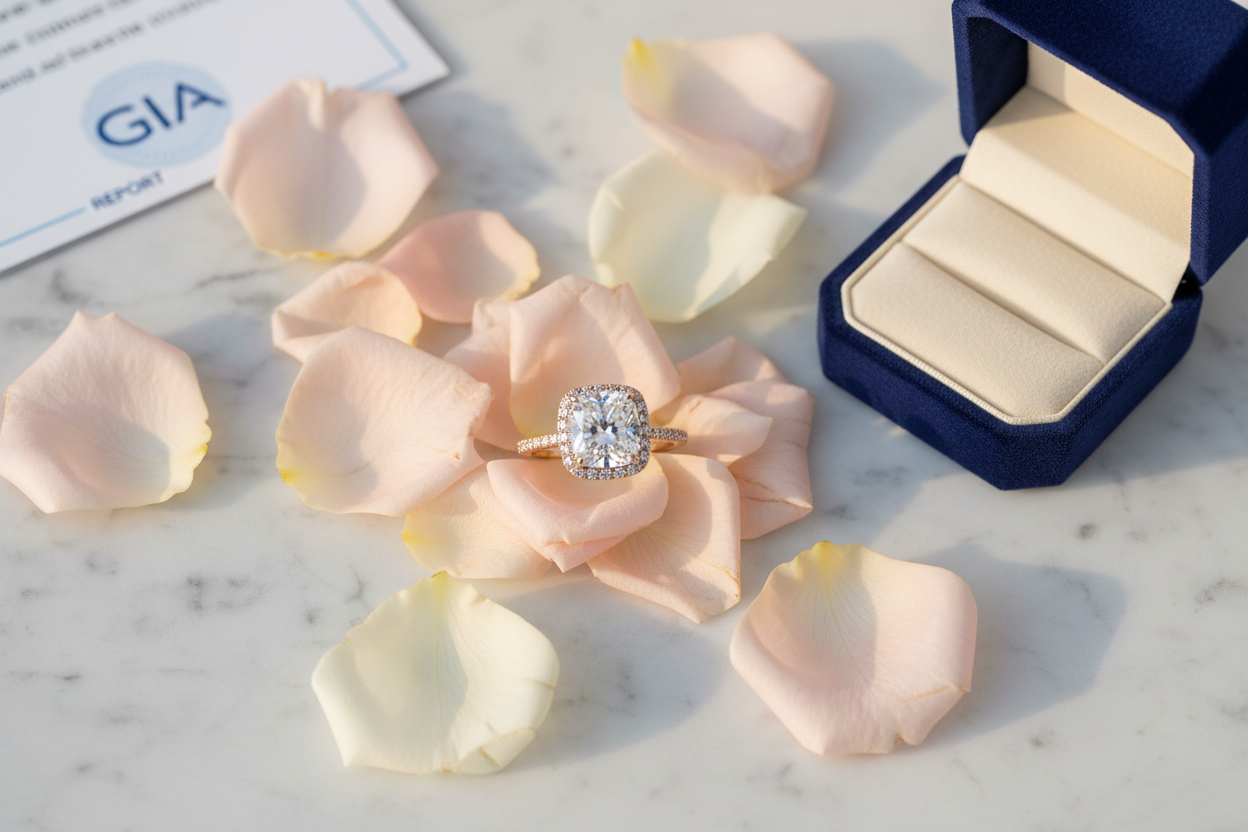
For any significant purchase, always request a GIA, AGS, or IGI grading report — this is the definitive proof of a diamond's authenticity and quality.
How to Tell If Gemstones Are Real
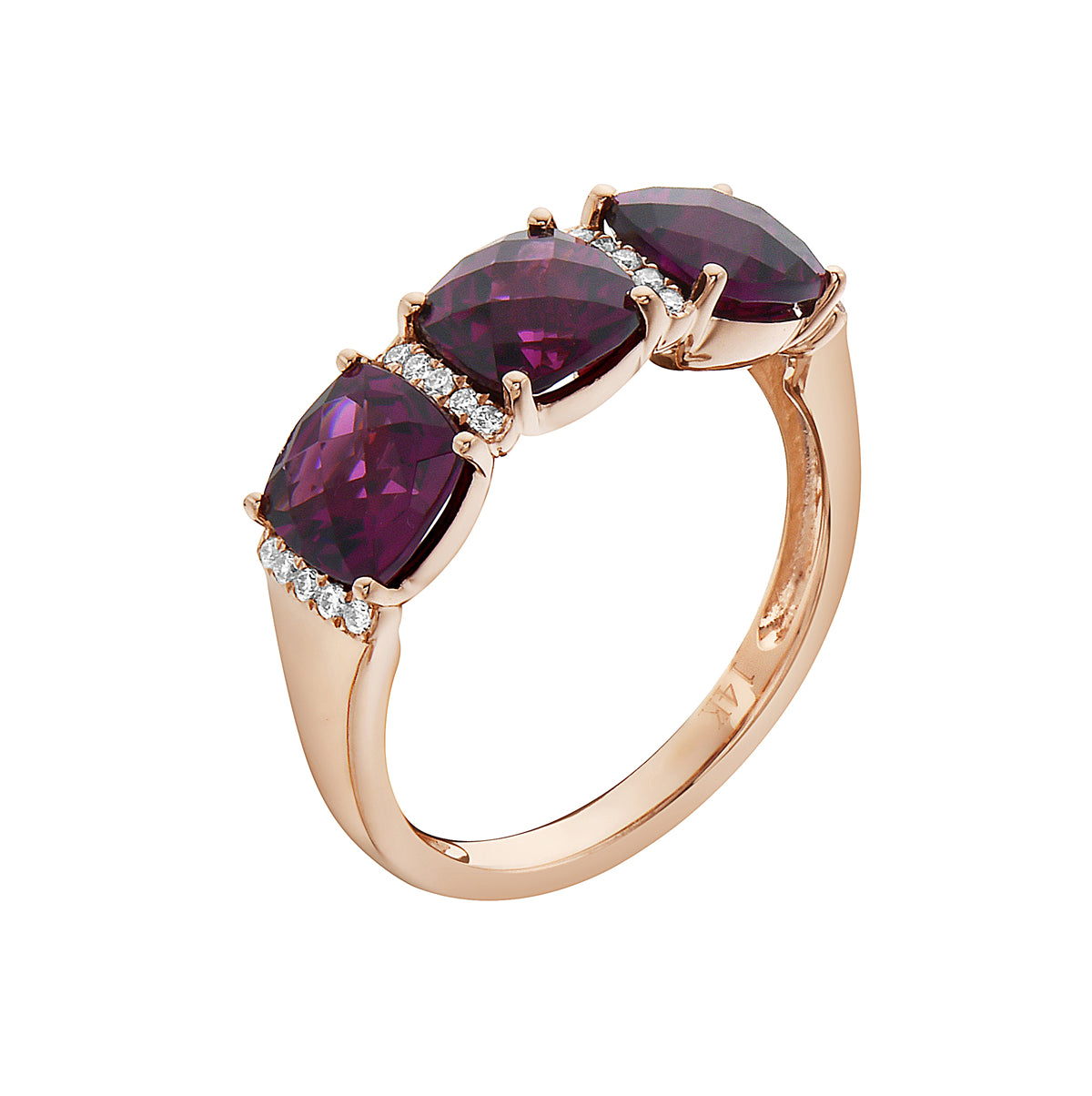
Colored gemstones — rubies, sapphires, emeralds, and others — are frequently simulated, treated, or misrepresented. Here's what to look for.
Natural vs. Synthetic vs. Simulated: Know the Difference
- Natural gemstones are mined from the earth. They have natural inclusions and imperfections.
- Synthetic (lab-created) gemstones have the same chemical composition as natural stones but are grown in a lab. They are real gemstones — just not mined. Ruby, sapphire, and emerald are commonly lab-grown.
- Simulated stones look like a gemstone but are chemically different. Red glass simulating ruby, or blue topaz sold as aquamarine, are examples.
Signs of a Real Gemstone:
- Inclusions — Natural stones almost always have inclusions (tiny imperfections). A perfectly flawless colored stone is often synthetic or glass.
- Temperature — Real gemstones feel cool to the touch and warm slowly. Glass warms quickly.
- Weight — Real stones are generally denser than glass simulants of the same size.
- Scratches — Most genuine gemstones are very hard (sapphire and ruby are 9 on the Mohs scale). Glass scratches easily.
Common Fakes to Watch For:
- Red glass sold as ruby
- Blue glass or synthetic spinel sold as sapphire
- Green glass sold as emerald
- Synthetic cubic zirconia sold as diamond
- Dyed quartz sold as amethyst or citrine
- Assembled stones (doublets/triplets) — a thin layer of real gemstone glued over glass
The Most Reliable Test: Professional Gemological Analysis
A certified gemologist can identify any gemstone using refractive index measurement, spectroscopy, and microscopic examination. For valuable colored stones, always request a certificate from a reputable lab like GIA, AGL (American Gemological Laboratories), or Gübelin.
Red Flags When Buying Jewelry
Beyond testing pieces you already own, here are warning signs to watch for when shopping:
- 🚩 No hallmarks or certifications offered
- 🚩 Prices dramatically below market value
- 🚩 Vague descriptions like "diamond-like" or "gold-tone"
- 🚩 Seller unwilling to provide documentation
- 🚩 In-house certificates from unknown labs
- 🚩 No return policy
Frequently Asked Questions
How can I tell if gold is real without a tester?
Look for a hallmark stamp (10K, 14K, 18K, or 750, 585, 417). Then try the magnet test — real gold is not magnetic. For more certainty, use a gold testing acid kit or visit a jeweler for XRF testing.
Does real gold turn skin green?
Pure gold (24K) does not turn skin green. However, lower-karat gold alloys contain copper, which can react with skin and cause green discoloration — especially in humid conditions or with certain skin chemistry. This doesn't necessarily mean the gold is fake, just that it has a higher copper content.
Can a diamond scratch glass?
Yes — diamonds are the hardest natural substance and will scratch glass easily. However, many simulants (like moissanite and cubic zirconia) are also hard enough to scratch glass, so this test alone isn't conclusive.
What is the best way to test a diamond at home?
The fog test is the quickest and most reliable home test. For more certainty, use a thermal conductivity diamond tester (available online for under $50). For definitive proof, request a GIA grading report from the seller.
How do I know if a gemstone is natural or synthetic?
Natural gemstones typically have inclusions visible under magnification. Synthetic stones are often too perfect. The only definitive way to distinguish natural from synthetic is professional gemological testing with spectroscopy or advanced microscopy.
Is lab-grown the same as fake?
No. Lab-grown diamonds and gemstones are chemically and physically identical to their natural counterparts — they are real stones, just created in a controlled environment rather than mined. They are not fake. Simulated stones (like cubic zirconia) are different — they look similar but have a different chemical composition.
Final Thoughts: When in Doubt, Ask a Professional
Home tests are useful for quick screening, but nothing replaces professional gemological analysis for high-value pieces. If you're making a significant purchase or have inherited jewelry of unknown origin, a visit to a certified gemologist is always worth the investment.
At Gili Jewels, every piece we sell comes with full material disclosure and, where applicable, gemological certification. We believe you should always know exactly what you're buying — and we're happy to answer any questions before you purchase.
Have a piece you'd like to learn more about? Contact our team — we're always here to help.